
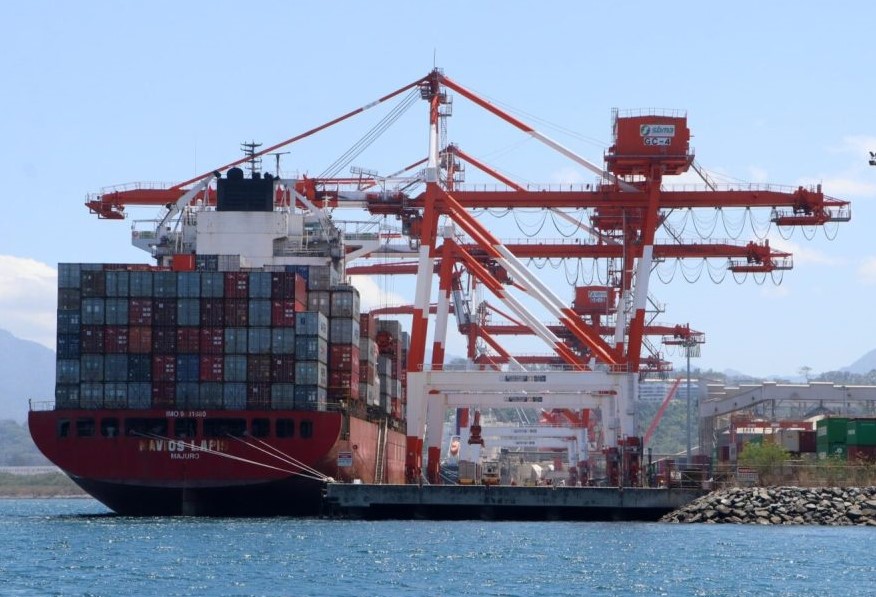
SUBIC BAY FREEPORT – The Subic Bay Metropolitan Authority anticipates a rise in electric vehicle (EV) shipments as Subic Bay solidifies its role in the country’s evolving automotive logistics and supply chain sector.
“With its strategic location, well-established port infrastructure, and Freeport designation, Subic Bay provides significant opportunities for businesses involved in importing, exporting, distributing, and handling electric vehicles and related components,” said SBMA senior deputy administrator for operations and logistics, Ronnie Yambao.
Recently, the Port of Subic received a shipment comprising 80 brand-new hybrid vehicles and 20 fully electric vehicles (FEVs), marking the first delivery of a renowned EV brand to the area.
These vehicles will be distributed to the consignee’s accredited car dealers within the coming weeks. The consignee aims to increase shipments to over 500 units per week, exceeding 2,000 per month, with projected revenue of P6.8 million monthly.
Strategically located in Central Luzon, Subic Bay provides access to major commercial centers, industrial zones, and transportation networks across the Philippines. Its port facilities and surrounding logistics infrastructure position it as a key gateway for international vehicle shipments, including electric passenger cars, commercial electric vehicles, electric motorcycles, and EV components.
For importers and distributors, the port offers comprehensive cargo-handling capabilities, warehousing, freight forwarding, and customs brokerage services to support the seamless movement of vehicles from overseas manufacturers to Philippine markets.
The increasing interest in sustainable transportation is creating new opportunities throughout the EV supply chain. Subic Bay is well-positioned to support various business activities, including the importation of fully assembled electric vehicles from international manufacturing centers.
This growth will also bolster the distribution and warehousing sectors by providing facilities for storage, inspection, inventory management, and distribution services. Additionally, it supports commercial fleet development by facilitating the supply of electric vans, utility vehicles, buses, and other fleet applications.
Subic Freeport can further assist the EV components and battery industry by streamlining the movement of charging equipment, replacement parts, and battery-related products, subject to applicable transport and safety regulations.
“Another significant opportunity lies in re-export and regional logistics, by exploring avenues to consolidate and transfer eligible vehicle shipments to other markets, in compliance with customs and trade regulations,” Yambao said.
The EV industry in the Philippines is experiencing rapid growth. The year 2026 is being heralded as the year of EVs, driven by elevated fuel costs resulting from geopolitical conflicts in the Middle East, and strongly supported by the national government’s thrust to transition from traditional fuel-powered engines to electric vehicles.
EV sales accounted for nearly one in every four vehicles sold nationwide (24.7%) between January and August 2026, a significant increase from 12% in 2025 and just 4% in 2024.
According to the Department of Energy, 66,685 EVs were sold during the first eight months of 2026 alone. This fleet is predominantly composed of Plug-in Hybrid Electric Vehicles (PHEVs) with 29,649 units, Hybrid Electric Vehicles (HEVs) with 20,716 units, and Battery Electric Vehicles (BEVs) with 16,320 units.
Public transportation is also transitioning toward renewable energy, with more EV public transport vehicles operating nationwide. SBMA is leading this initiative within ecozones by deploying electric buses for public transportation throughout Subic Bay Freeport.
Furthermore, five to six major public and private EV charging stations have been installed across the Subic Bay Freeport Zone as part of the agency’s commitment to achieving carbon neutrality goals. SBMA-PR


