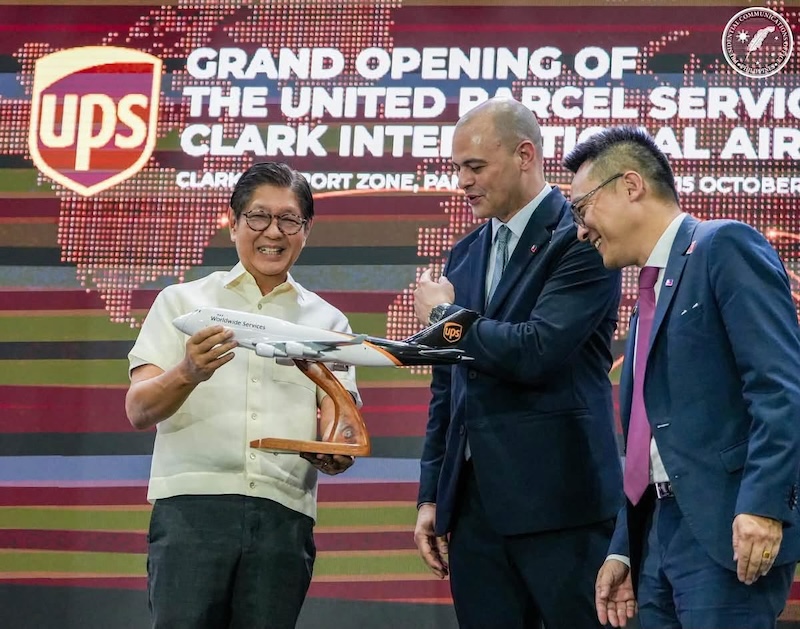
CLARK FREEPORT – President Ferdinand R. Marcos Jr. on Oct. 15 led the inauguration of the $80million United Parcel Service (UPS) International Hub at the Clark International Airport here, citing it as “an important milestone” for the country’s logistics network.
“We all know the importance of getting all the items that we need when we need it,” the president said. “This is the role of logistics. For an archipelagic country such as the Philippines, efficient logistics is vital to economic development and the well-being of our people.”
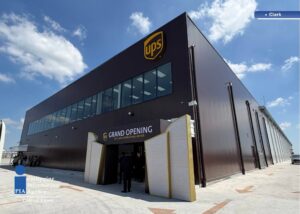
Spanning 30,000 square meters, the facility is 15 times larger than UPS’s previous Clark hub and can process up to 15,000 packages per hour and handle an average daily volume of 46,000 packages. Some 600 jobs are expected to be generated, while service expands across 1,100 global trade lanes.

The president cited challenges in the sector, including congested ports, inadequate road networks, and high logistics costs — up to 27% against sales, among the highest in Southeast Asia. He said the new hub contributes to improving efficiency, with innovations such as electric ground service vehicles and UPS Premier RFID technology to support time-sensitive shipments, particularly for the healthcare, high-tech and manufacturing sectors requiring sensorbased tracking and coldchain reliability.

Marcos Jr. also pointed to Clark’s role in broader infrastructure plans, including the proposed SubicClarkManilaBatangas Railway and the Supply Chain and Logistics Center established by DTI. He emphasized the importance of timely completion of projects: “When an investor promises a project, it is our job to ensure it opens on schedule. This one certainly did.”
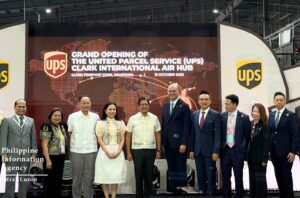
Joining the president during the event were UPS Asia Pacific president Bernard Jiang and Wilfredo Ramos, UPS EVP and chief officer for international, healthcare and supply chain solutions, Trade Secretary Maria Cristina Aldeguer-Roque, Transportation Secretary Giovanni Lopez, Clark Development Corp. president and CEO Atty. Agnes VST Devanadera, other government officials, and privatesector partners. With PCO, PIA-3, CDC-PR