
BALANGA CITY – Turning used cooking oil from a waste management challenge into a cornerstone of the circular economy.
Towards that end, the Subic Clark Alliance for Development (SCAD), in partnership with the Provincial Government of Bataan and the Island Skies Alliance (ISA), recently convened a “Harmonization Workshop on Used Cooking Oil (UCO) Management” at the tourism pavilion here.
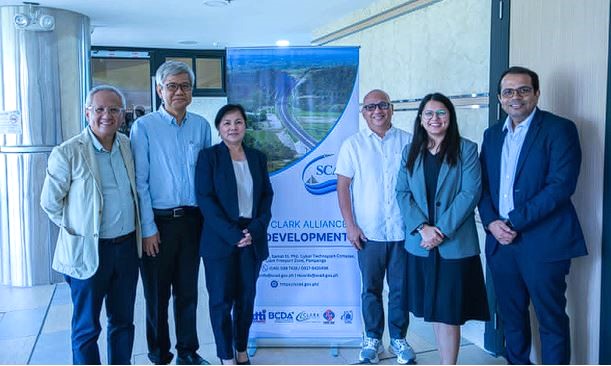
Focused on the handling, collection, and strict implementation of RA 6969 (Toxic Substances and Hazardous and Nuclear Wastes Control Act of 1990), the workshop brought together SCAD executive director Carminda Fabros, Bataan board member Vic Baluyut, and ASM Global founder and CEO Surbhi Jore, alongside the ISA leadership team composed of president Amendra Kumar, CEO Junard Cruz, and director Allan Rillera.
This technical alignment was supported by Engr. Raldy Pagador of the Department of Environment and Natural Resources-Environmental Management Burau-Region 3, Engr. Santini Quiocson of the DENR-EMB main office, and technical experts Engr. Karl Bernal and Christopher Andre Bilbao from the Department of Science and Technology-Industrial Technology Development Institute (ITDI).
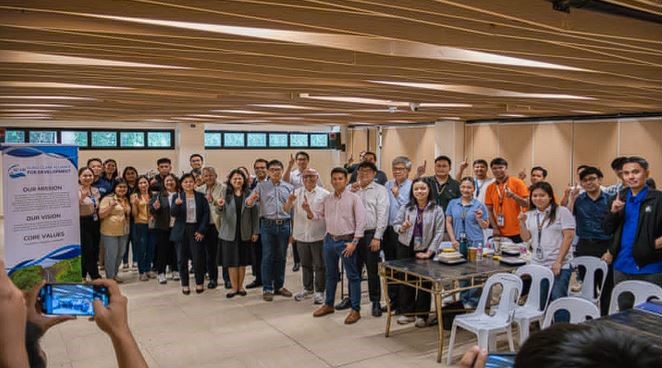
SCAD played a pivotal role in bridging the gap between local execution and national policy, bringing together the Provincial Government of Bataan and the various city and municipal local government units of the province. The session facilitated a deep dive into RA 6969 requirements, specifically focusing on UCO classification, the legal responsibilities of waste generators, and the establishment of rigorous compliance protocols. By harmonizing these standards, the organizers ensure that Bataan’s local units are fully equipped to meet national environmental mandates.
The workshop culminated in intensive breakout sessions where stakeholders defined clear roles, responsibilities, and logistics flows. These sessions were instrumental in creating a blueprint for reporting mechanisms across various stakeholder groups, ensuring a seamless transition from collection to processing. Through this collaborative effort, the participants reached a shared understanding of the multifaceted benefits of UCO collection, while candidly addressing the hurdles of maintaining a sustainable grassroots operations model.
By identifying policy gaps and operational bottlenecks, the group developed potential workarounds that maintain strict adherence to legal requirements while promoting efficiency. The workshop concluded with a unified view toward a consolidated effort in Bataan, under the “1Bataan” banner, setting an ambitious roadmap toward collecting one million liters of UCO. This initiative serves as an action plan for immediate follow-through over the next 45 days.
This provincial effort is a primary component of a broader vision: the joint program between SCAD and ISA to utilize UCO for Sustainable Aviation Fuel (SAF). This partnership positions Central Luzon as a pioneer in green aviation, proving that local waste management solutions can have a global environmental impact. Press release