
CLARK FREEPORT — “Memory is not simply about the past. Memory is a source of strength and a responsibility.”
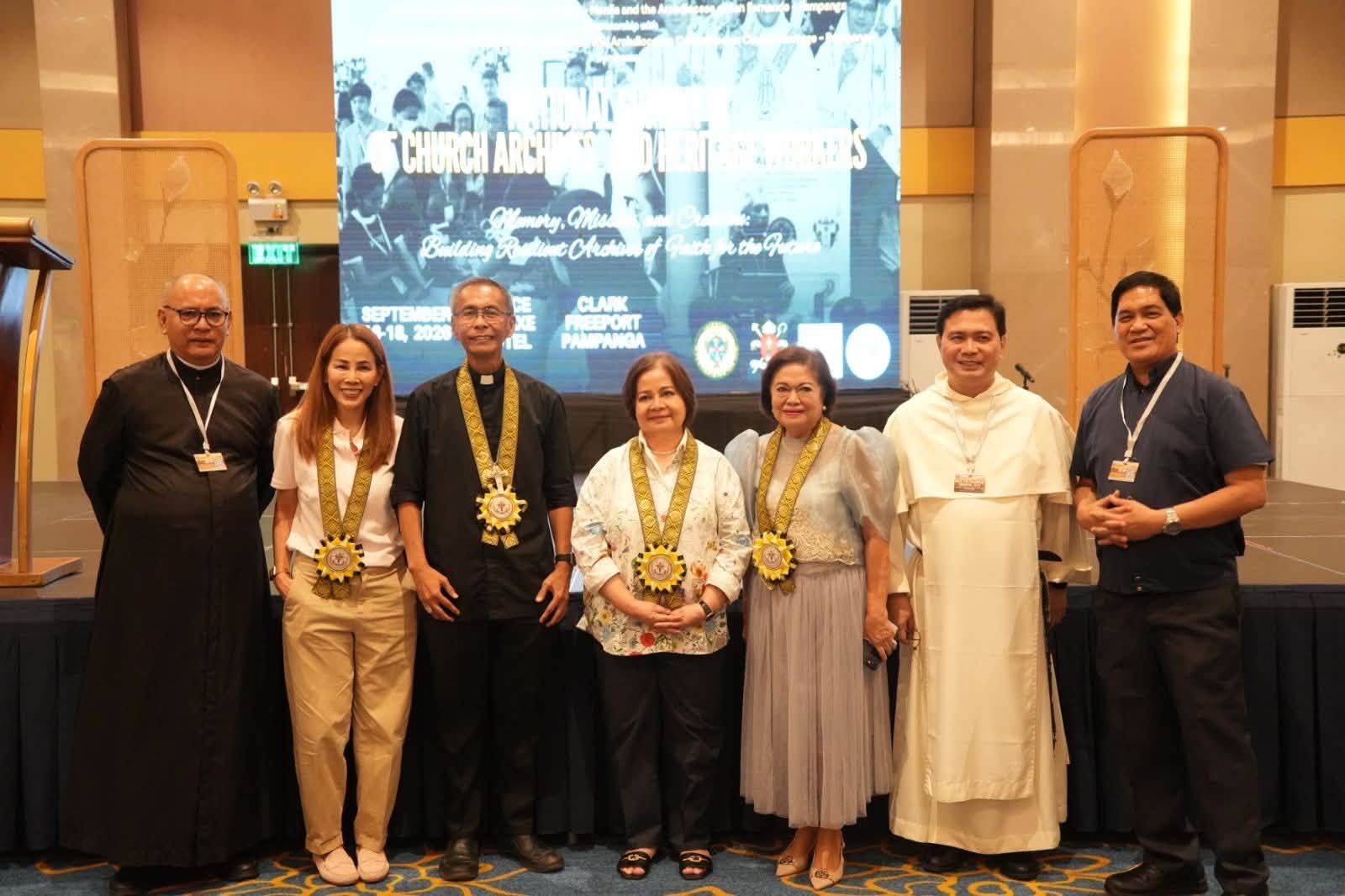
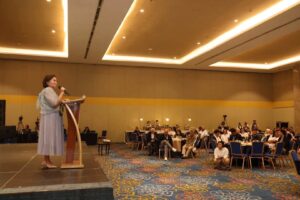
Thus, Gov. Lilia “Nanay” Pineda underscored the importance of archival work in preserving community identity in her message at the opening of the two-day National Summit III of Church Archives and Heritage Workers at the Royce Hotel here on Sept. 16.
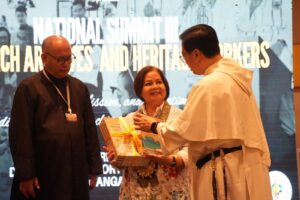
Themed “Memory, Mission, and Creation: Building Resilient Archives of Faith for the Future,” the summit convened church archivists, heritage workers, members of the clergy, scholars, conservation advocates, and cultural stakeholders across the country to “reflect on the vital role of archives in safeguarding ecclesiastical memory, strengthening the Church’s mission, and responding creatively to contemporary challenges.”
The summit is an undertaking of the Archivo de la Universidad de Santo Tomas in partnership with the Church Archivists of the Philippines Inc. and the Archdiocese of San Fernando, Pampanga.
Pineda said church records preserve information on baptisms, marriages, migration, disasters and social change, providing historical references that help document the development of communities and institutions.
She also cited heritage churches in Pampanga, including the Mteropolitan Cathedral in the City of Sanb Fernando, the now minor basilica Pisamban Maragul in Angeles City, the Santiago Apostol Church in Betis, for their association with significant events in the province’s history, and most notably San Guillermo Church in Bacolor, in the aftermath of the Mount Pinatubo eruption and lahar flows in the 1990s.
“Nakita ko yung rumaragasang lahar, unti-unti niyang tinatabunan yung church. Pero nagdasal kami,” recllaed the governor. “Sa kabila ng lahar, hindi nito naabot ang mismong altar ng simbahan. Naniwala po kami sa miracle kasi hindi niya inabutan yung mismong altar, kaya napa-preserve namin.”
Throughout the summit, speakers discussed the role of archives, historical records and heritage sites in documenting the social, cultural and institutional history of communities.
For her part, Clark Development Corp. president and CEO Atty. Agnes VST Devanadera, said historical records and heritage sites help communities understand how places evolve over time.
“In every town, in the history of every town in the Philippines, the community starts where the church is, and the community progresses as the church progresses,” she said.
She cited Clark’s preserved heritage structures, including the barn houses or former officers’ houses that now serve new functions, as examples of how historically significant sites remain part of the area’s continuing development.
She also noted ongoing discussions with the National Museum regarding the preservation of Kapampangan and ecclesiastical heritage within the museum complex in Clark. CDC provided the five-hectare site for the National Museum complex.
Punto News Team/Photos: Daniel Ombina-Pampanga PIO


