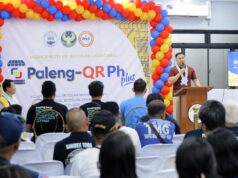

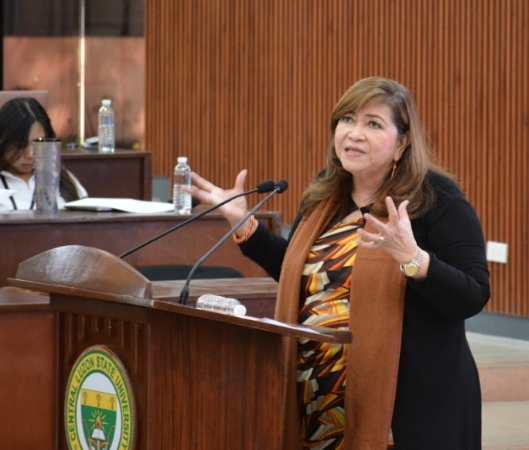
Science City of Muñoz, Nueva Ecija – The Department of Trade and Industry (DTI) Region 3 reaffirmed its support for the development of the cacao industry through its participation in the Cacao TALKS (Transforming Agriculture through Livelihoods, Knowledge and Sustainability) 2026, hosted by Central Luzon State University (CLSU) on March 11, 2026, at the Research, Innovation, and Extension (RIE) Amphitheater.
Representing DTI Region 3 were the DTI Aurora Provincial Office, led by Provincial Director Aldrin M. Veneracion, Regional Industry Cluster Coordinator (RICC) for cacao in Central Luzon, and the DTI Nueva Ecija Provincial Office headed by Acting Provincial Director Gerardo P. Maglalang. Their participation underscored DTI’s commitment to enhancing collaboration and competitiveness across the regional cacao industry.
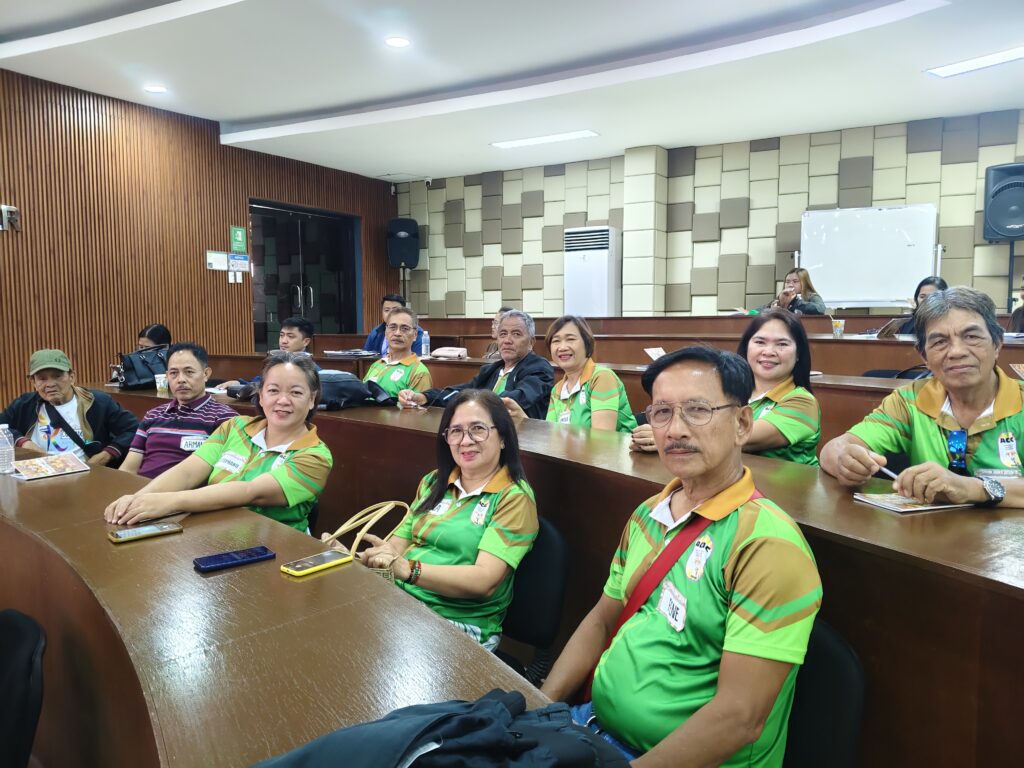
The conference gathered over 120 cacao farmers, researchers, entrepreneurs, and development partners to discuss productivity, market access, and value-adding opportunities. During the discussions, Aurora Province was recognized as a high-producing cacao area in Central Luzon. The Aurora Cacao Agriculture Cooperative (ACAC) and Barrameda Cacao Farms were highlighted as part of the research subjects in the provincial overview, showcasing their contributions to cacao production and value-adding initiatives in the province.
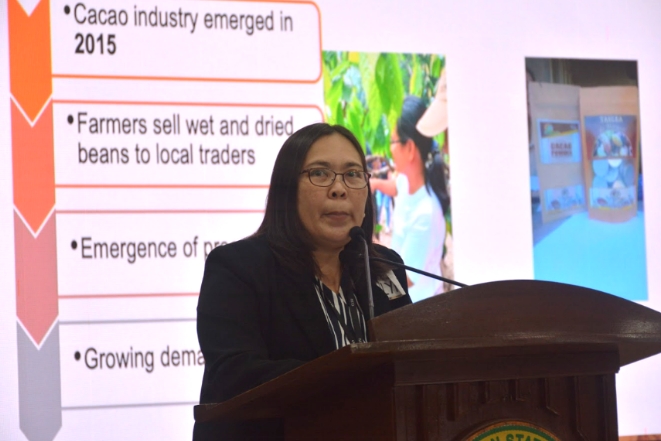
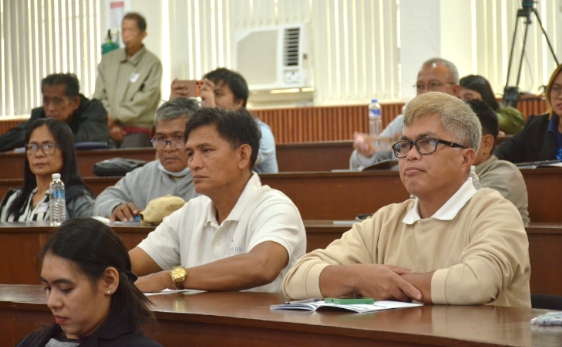
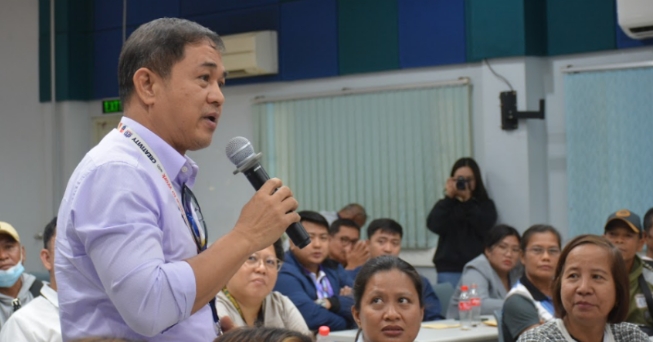
The activity was supported through a project funded by the Department of Science and Technology – Philippine Council for Agriculture, Aquatic and Natural Resources Research and Development (DOST-PCAARRD) and featured discussions on modern farming techniques, pest management, postharvest technologies, and market opportunities.
Industry updates were presented by Consul Armi Lopez-Garcia, Chairperson of the Philippine Cacao Industry Council (PCIC) and President of the Philippine Cacao Industry Association, Inc. (PCIA), along with contributions from academic institutions. Technical sessions were also conducted by experts from the University of the Philippines Los Baños, University of the Philippines Mindanao, the Bureau of Plant Industry (BPI), and the Philippine Center for Postharvest Development and Mechanization (PhilMech).
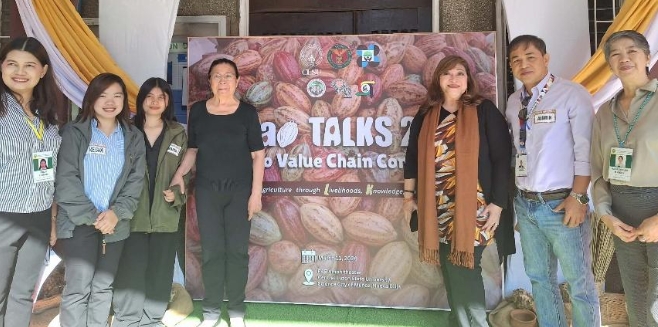
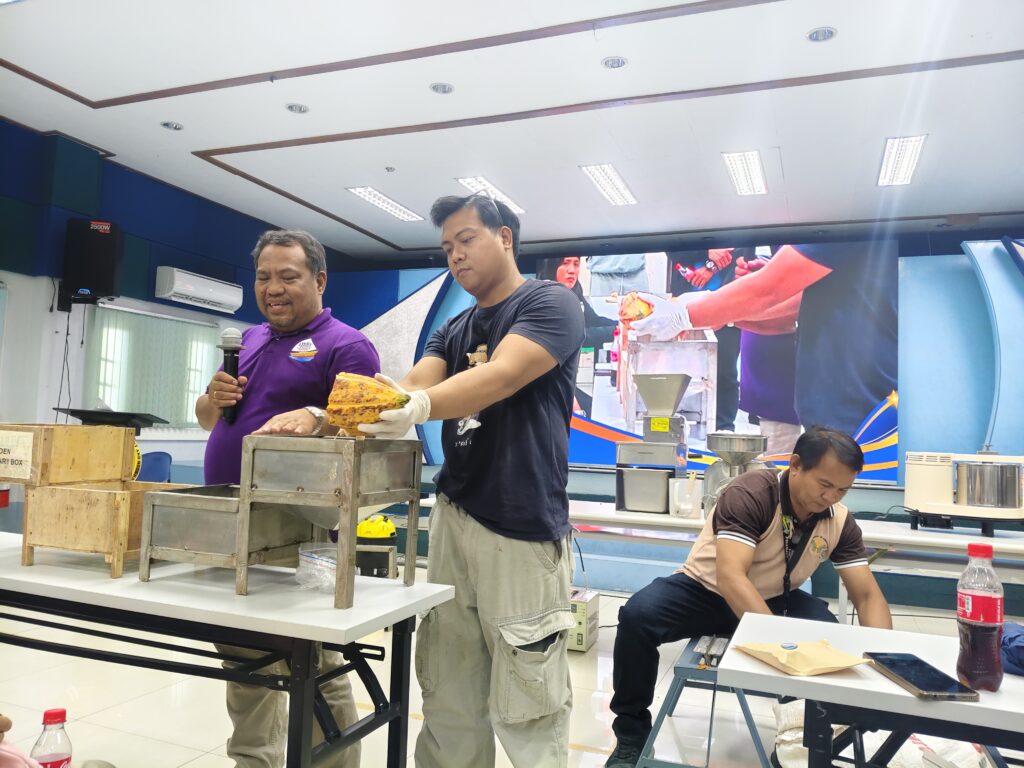
DTI emphasized that participation in such knowledge-sharing initiatives strengthens the capacity of local stakeholders to adopt innovative practices and explore new market opportunities. By connecting producers with researchers, processors, and entrepreneurs, the conference supports DTI’s broader objective of building resilient value chains and promoting inclusive growth for micro, small, and medium enterprises (MSMEs).
DTI also highlighted opportunities under the Coconut Farmers and Industry Development Plan (CFIDP), particularly the promotion of cacao intercropping in coconut farms as a strategy to increase farm productivity and diversify farmers’ income. Through this approach, coconut farmers may access support mechanisms and technology-related subsidies intended to improve farm efficiency and value-adding potential.
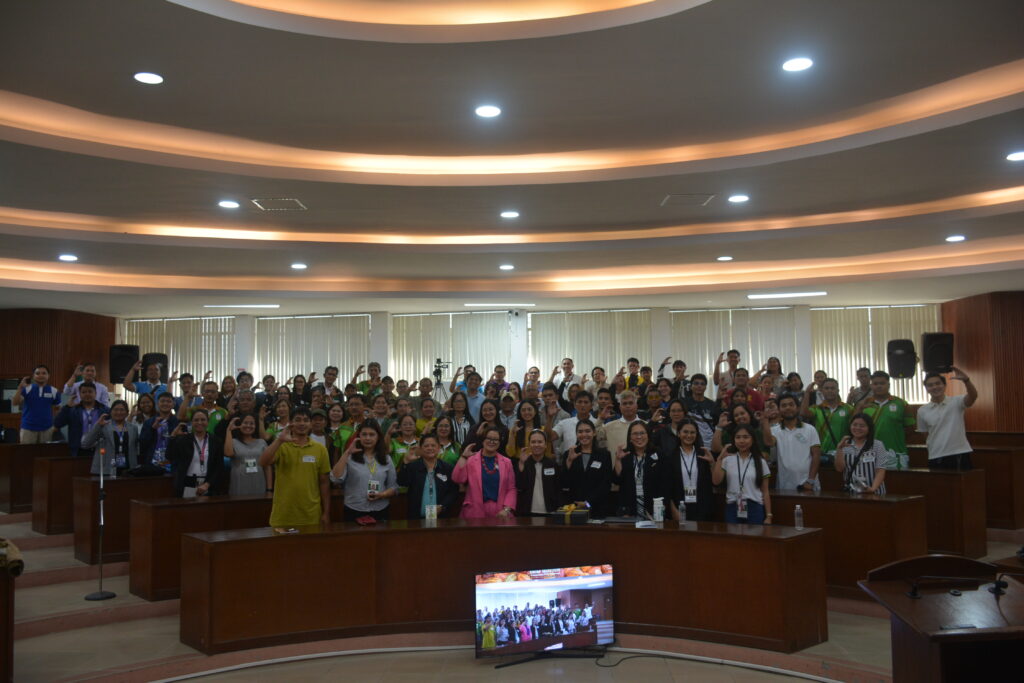
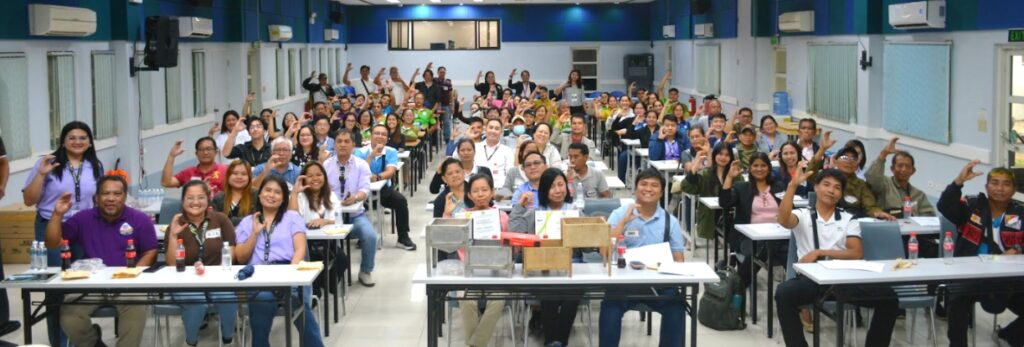
PD Veneracion emphasized that registered and organized coconut farmers may benefit from CFIDP-related interventions supporting diversification initiatives such as cacao production.
Moving forward, DTI Region 3 will continue to collaborate with cacao stakeholders, to further enhance the competitiveness of the regional cacao industry. The agency reiterated its support through enterprise development, market linkage facilitation, product innovation, and capacity-building interventions that will help position cacao as a viable driver of rural livelihood and regional economic growth.