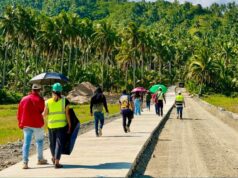

OLONGAPO CITY — Employment opportunities and improved access to remote mountain communities are helping reshape livelihoods for indigenous families in Olongapo City, where AboitizPower’s solar energy development is bringing economic activity closer to ancestral lands.
For generations, Aeta residents of Sitio Mampueng and neighboring communities have depended on farming rice, papaya and native fruits, often carrying their harvests across rivers and rugged trails to reach markets. Prolonged rains could cut off access to lowland areas, disrupting the sale of produce and the delivery of essential supplies.
The development of a utility-scale solar farm by Aboitiz Power Corp. has created employment opportunities for indigenous residents and supported improvements in access roads, according to community accounts shared during a gathering attended by residents and media representatives.
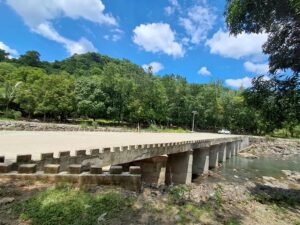
The project involves host communities in Mampueng, Tralala, New Cabalan and Iram, with coordination involving the National Commission on Indigenous Peoples (NCIP).
For local residents, the economic impact extends beyond renewable energy generation to the availability of work and opportunities to improve household incomes.
Zenaida Liwanag, a tribal council member of Mampueng, said employment opportunities have helped residents earn a living closer to their homes, reducing their dependence on physically demanding farming and long trips to lowland areas.
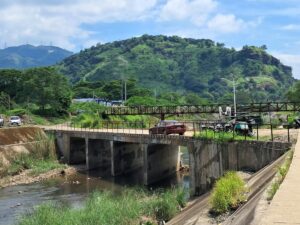
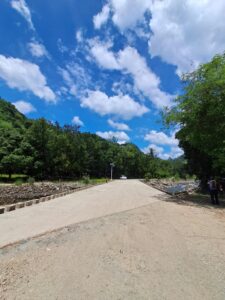
Improved road access has also eased travel between upland communities and market centers, potentially helping farmers move their produce more efficiently and allowing residents to reach essential services more easily.
Previously, transporting agricultural products required residents to negotiate difficult mountain trails and cross rivers, making the journey particularly challenging during the rainy season.
These conditions exposed farming households to weather-related disruptions that could affect both their income and access to basic necessities.
Jobs, community support
The solar project has provided employment opportunities in areas such as security and maintenance, giving qualified indigenous residents access to work beyond traditional agricultural livelihoods.
Community accounts also point to assistance for residents during emergencies, including support for households affected by severe weather and families facing medical or funeral expenses.
Such initiatives can help ease financial pressures on households whose incomes remain vulnerable to seasonal conditions and limited access to markets.
However, the long-term economic benefits will depend on the continuity of employment, the accessibility of livelihood opportunities and the effective delivery of assistance to the host communities.
Indigenous leaders seek education support
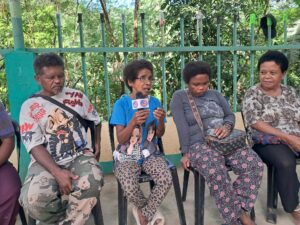
Alongside livelihood opportunities, community elders are calling for continued assistance for indigenous students, underscoring education as a key to improving the prospects of younger generations.
Tiri Liwanag, an elder of Mampueng, expressed appreciation for the employment opportunities available to community members, particularly those that allow parents to continue supporting their families while remaining close to home.
Terisita Rivera, a purok elder of Mampueng, appealed for support for students so more indigenous children could finish their studies and pursue their ambitions despite financial constraints.
Rivera also expressed gratitude for the presence of a school and a teacher in the community, saying access to education gives children an opportunity to work toward their goals despite their families’ limited means.
Their appeals highlight the importance of complementing employment and infrastructure development with sustained educational assistance for children in geographically isolated communities.
Renewable energy and ancestral lands
The project also underscores the importance of engaging indigenous communities in renewable energy development, particularly when facilities are located within ancestral domains.
Coordination with the NCIP and compliance with the Free, Prior and Informed Consent process are important safeguards for indigenous peoples’ rights and participation in decisions affecting their ancestral lands.
Community benefits, including employment, infrastructure improvements and applicable royalty arrangements, form part of the broader relationship between project developers and host communities. The terms and implementation of these benefits remain important considerations in assessing the project’s long-term contribution to local development.
For Aeta families in Olongapo, the solar development represents an opportunity to connect the growth of the renewable energy sector with more immediate economic needs.
The priorities voiced by community elders are clear: sustain access to jobs, improve mobility between mountain settlements and markets, and help indigenous children complete their education.