

In its inaugural year, HaBi: Hands that Bind Upcycling has emerged as a distinctive Corporate Social Responsibility initiative that translates sustainability intent into measurable social and environmental outcomes. Anchored on BOF’s commitment to responsible stewardship and community empowerment, the program reflects how practical challenges can be reimagined into meaningful solutions.
Spearheaded by Zabrina “Bambi” David Nunga, Vice President for Marketing and Communications, HaBi was developed in partnership with the Department of Social Welfare and Development (DSWD) in support of the agency’s Sustainable Livelihood Program (SLP). The initiative centers on a clear and practical proposition: retired employee uniforms, often stored or discarded after use, can be transformed into durable, functional products that extend material life while generating livelihood opportunities.
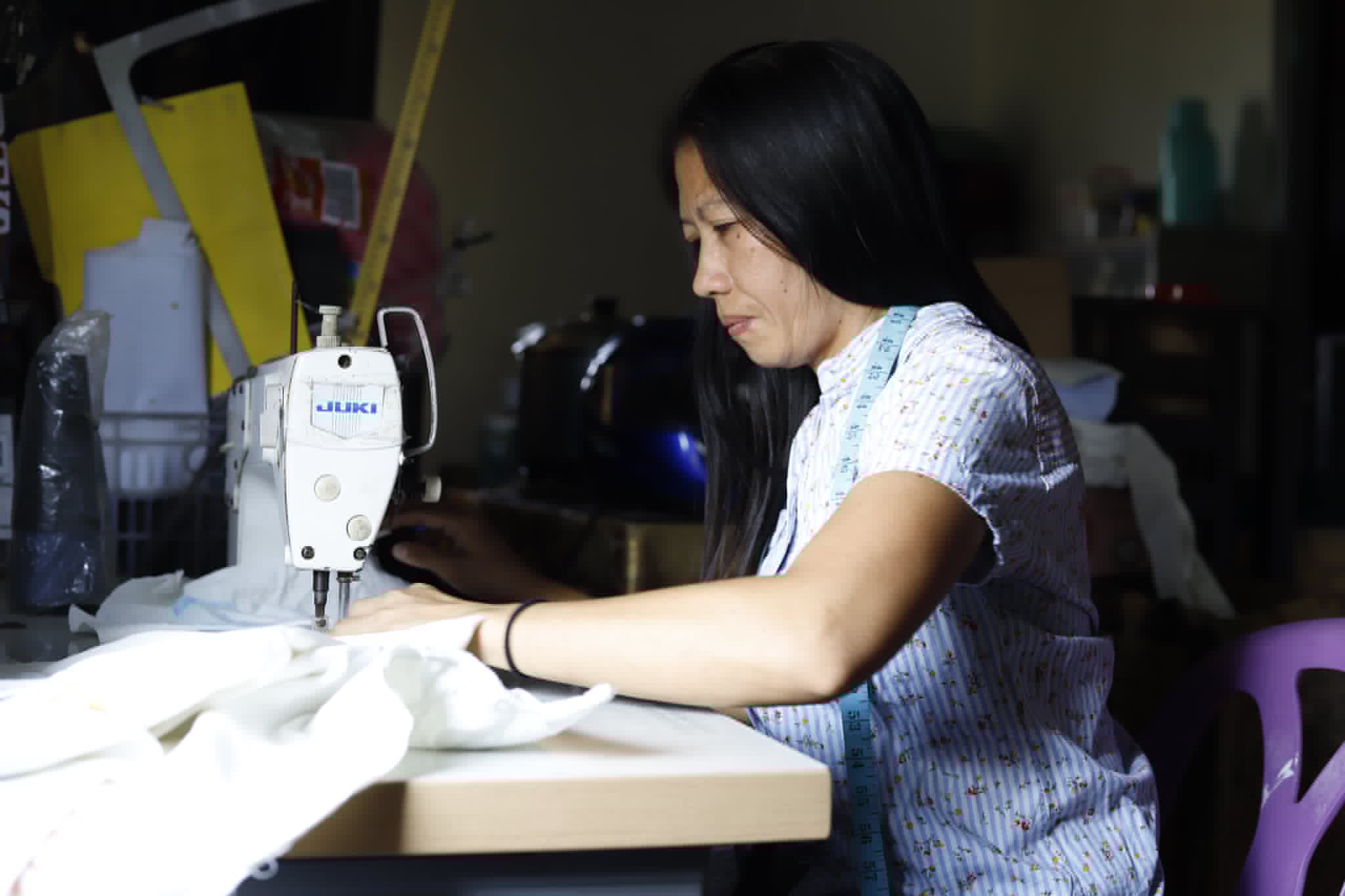
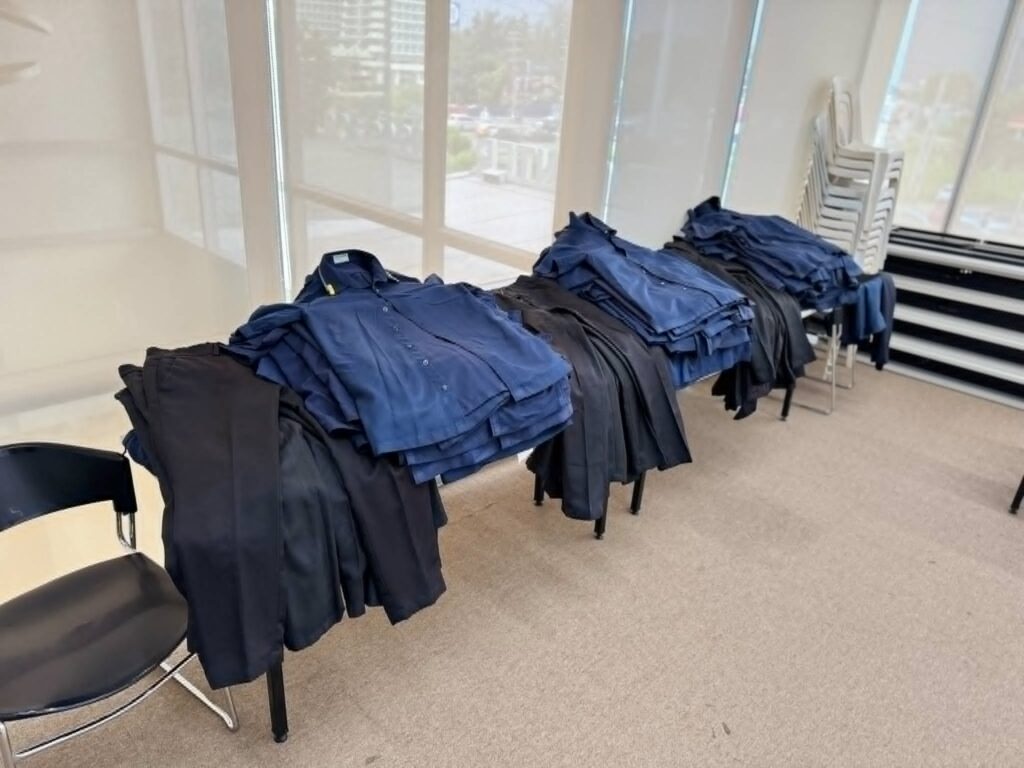
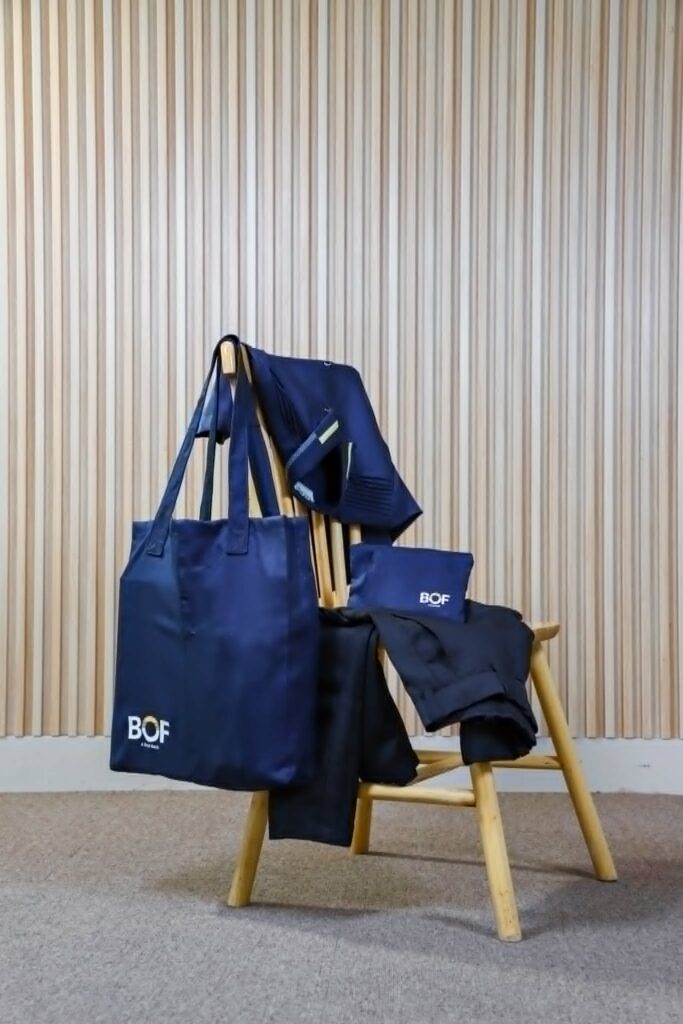
At its core, HaBi puts circular resource management into practice by converting retired uniforms into tote bags and pouches through a meticulous process of collection, sorting, deconstruction, and reconstruction. More than 650 pieces of uniforms have been repurposed, resulting in over 1,000 finished products crafted by Kapampangan artisans.
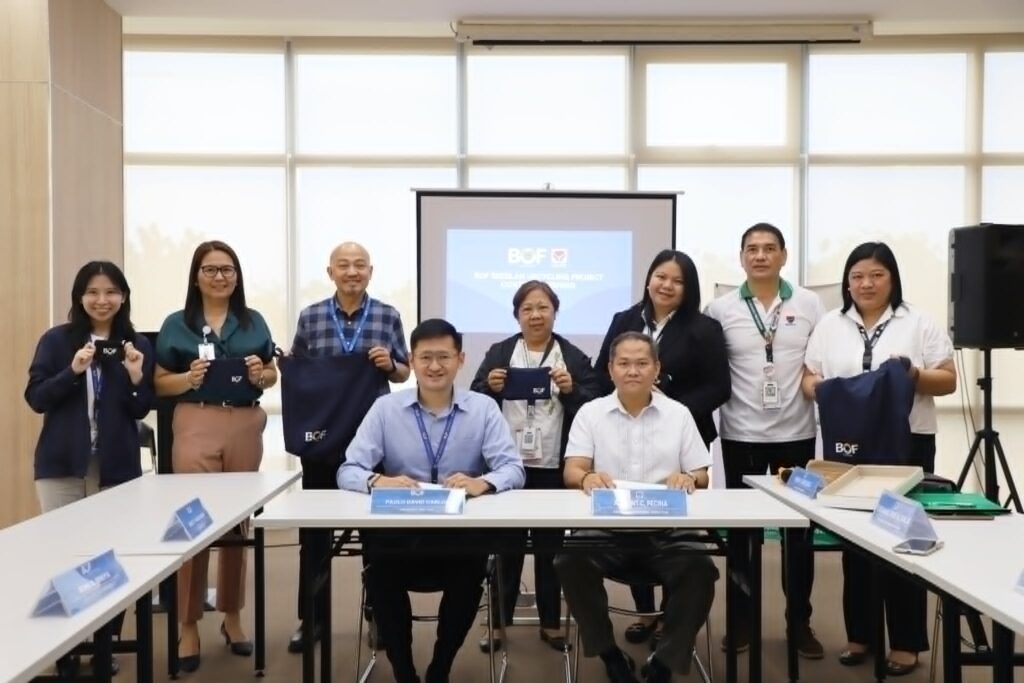
The collaboration took shape in early 2025 and a Memorandum of Agreement signed by BOF and DSWD in July formalized the partnership. This enabled the SLP partner participants to work on production from August to November. From this foundation, HaBi transitioned from a mere concept to a structured program.
Originally known as the “Sisidlan Upcycling Project,” the initiative evolved into HaBi: Hands that Bind Upcycling, a name derived from the Filipino word habi, meaning “to weave.” This reflects both the technical and symbolic dimensions of the program, where discarded textiles are carefully reworked into new forms while simultaneously bringing together institutions, communities, and purpose-driven design.
Beyond environmental outcomes, the program generates direct socio-economic impact. The production process provides meaningful livelihood support to participating artisans, reinforcing BOF’s broader sustainability agenda through inclusive economic participation. These outcomes position HaBi as a model of integrated CSR design.
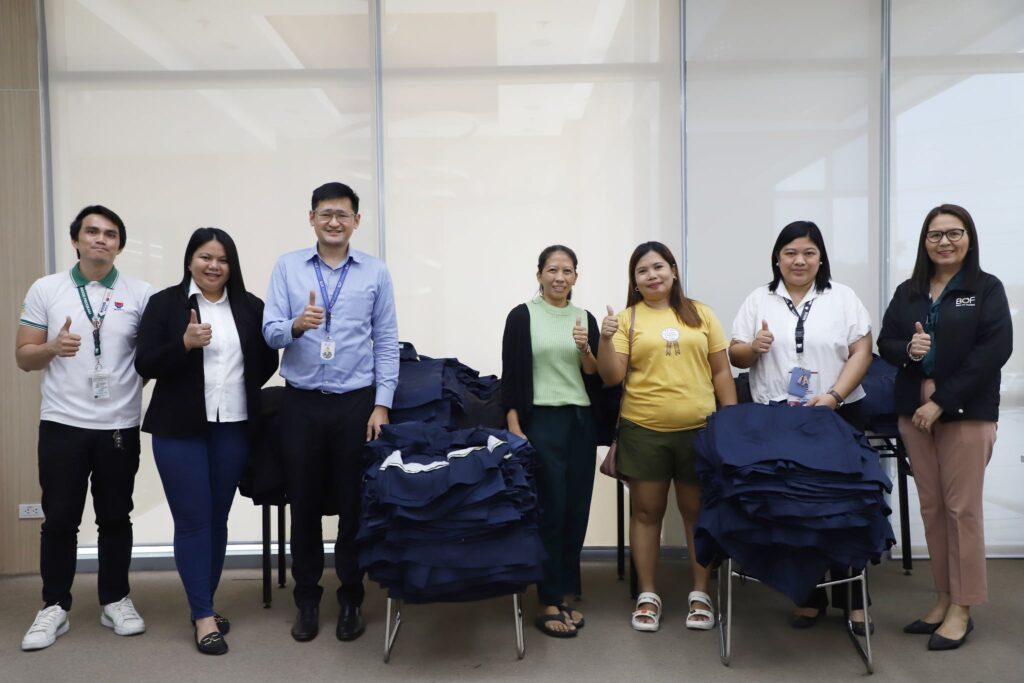

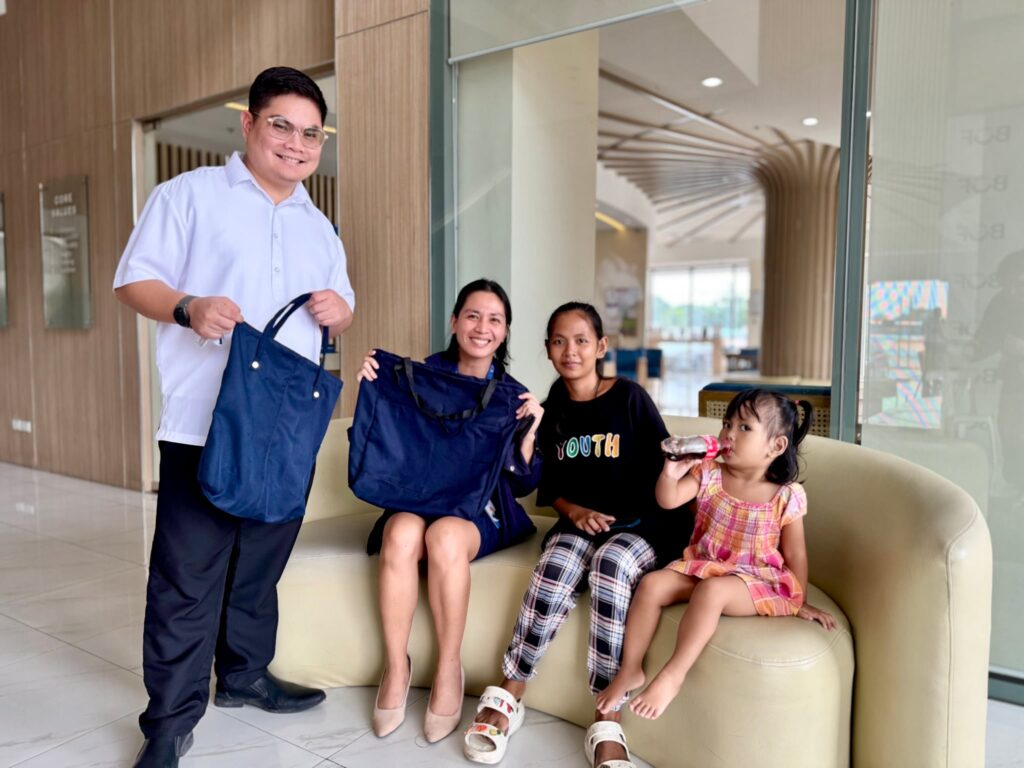
Nunga emphasizes that HaBi represents a deeper organizational philosophy, stating that it symbolizes “connection and transformation on multiple levels.” She further notes that the initiative is “not only about repurposing old uniforms into something new and useful, but also about weaving together purpose, people, and sustainability,” underscoring its role in aligning operational action with long-term social value creation.
The impact of the program is most clearly reflected in participant experiences. One SLP partner, Michelle Manansala-Gagui of Minalin, Pampanga, described the process as both technical and transformative, noting how each uniform is carefully deconstructed, patterned, and reassembled. Her involvement enabled her to support household needs, establish a small business, and invest in her family’s well-being, illustrating the program’s tangible effect on economic resilience at the grassroots level.
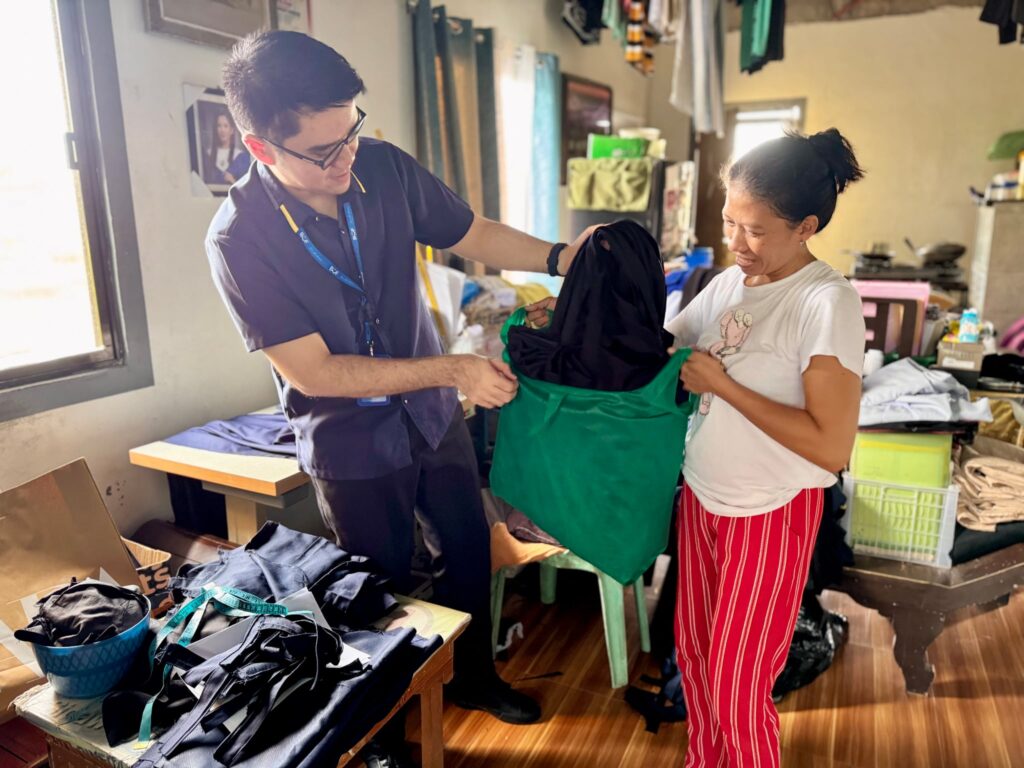
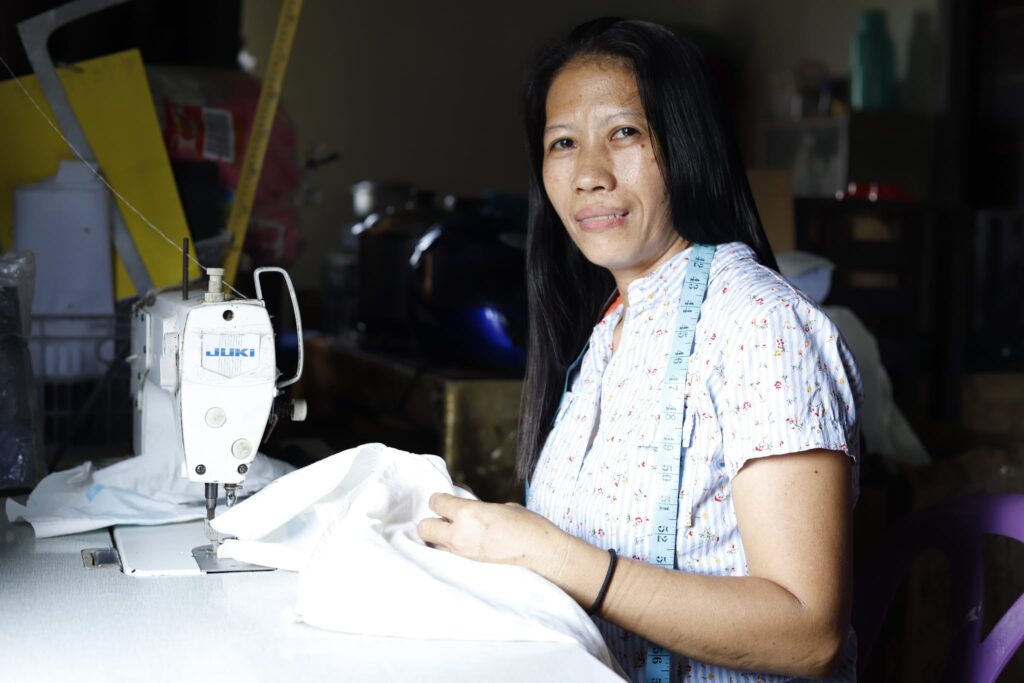
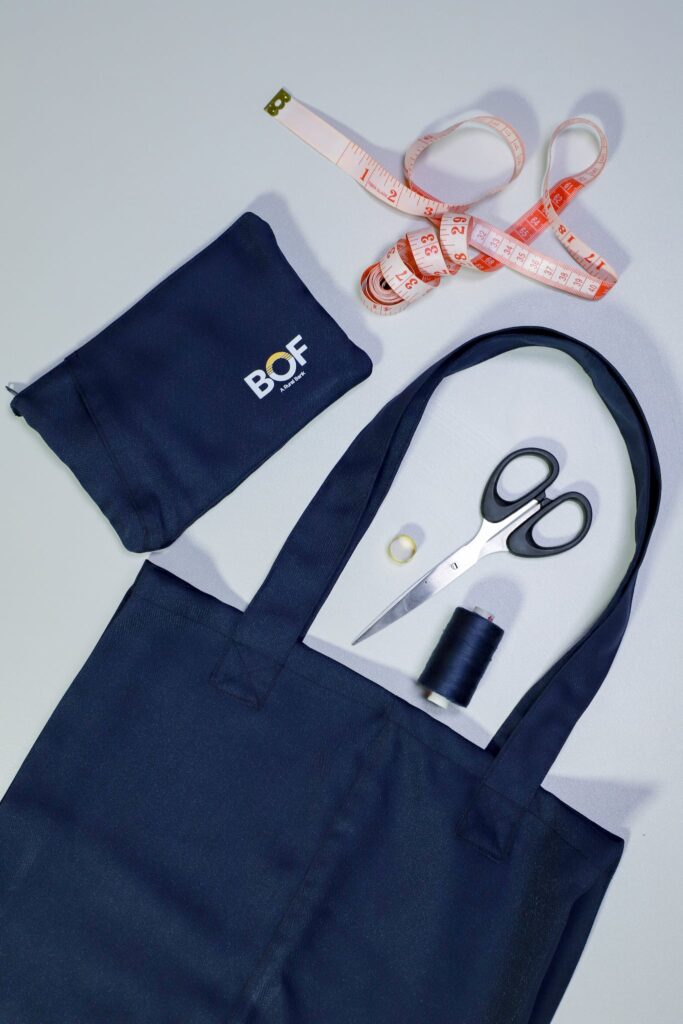
Finished products are distributed as corporate giveaways to partners and stakeholders, during events and other functions, each carrying embedded narratives of sustainability, craftsmanship, and shared responsibility. The initiative has been positively received, with several organizations expressing interest in replicating similar models, signaling its scalability and relevance within broader sustainability discourse.
As HaBi concludes its first year, it stands as a compelling example of how collaboration, design thinking and purposeful leadership can convert underutilized resources into systems of value creation. It demonstrates that sustainability, when paired with intention, can extend beyond compliance and become a structured pathway for community empowerment.
Moving forward, HaBi sets a clear precedent for scalable CSR innovation, one that integrates environmental care, livelihood generation, and organizational purpose into a unified framework of action.