
STO. TOMAS, Pampanga – Significant gains in nutrition among schoolchildren here have been recorded since the implementation of the Tatay Bong Pineda Feeding Program, highlighting the beneficial impact of sustained public and private sector collaboration.
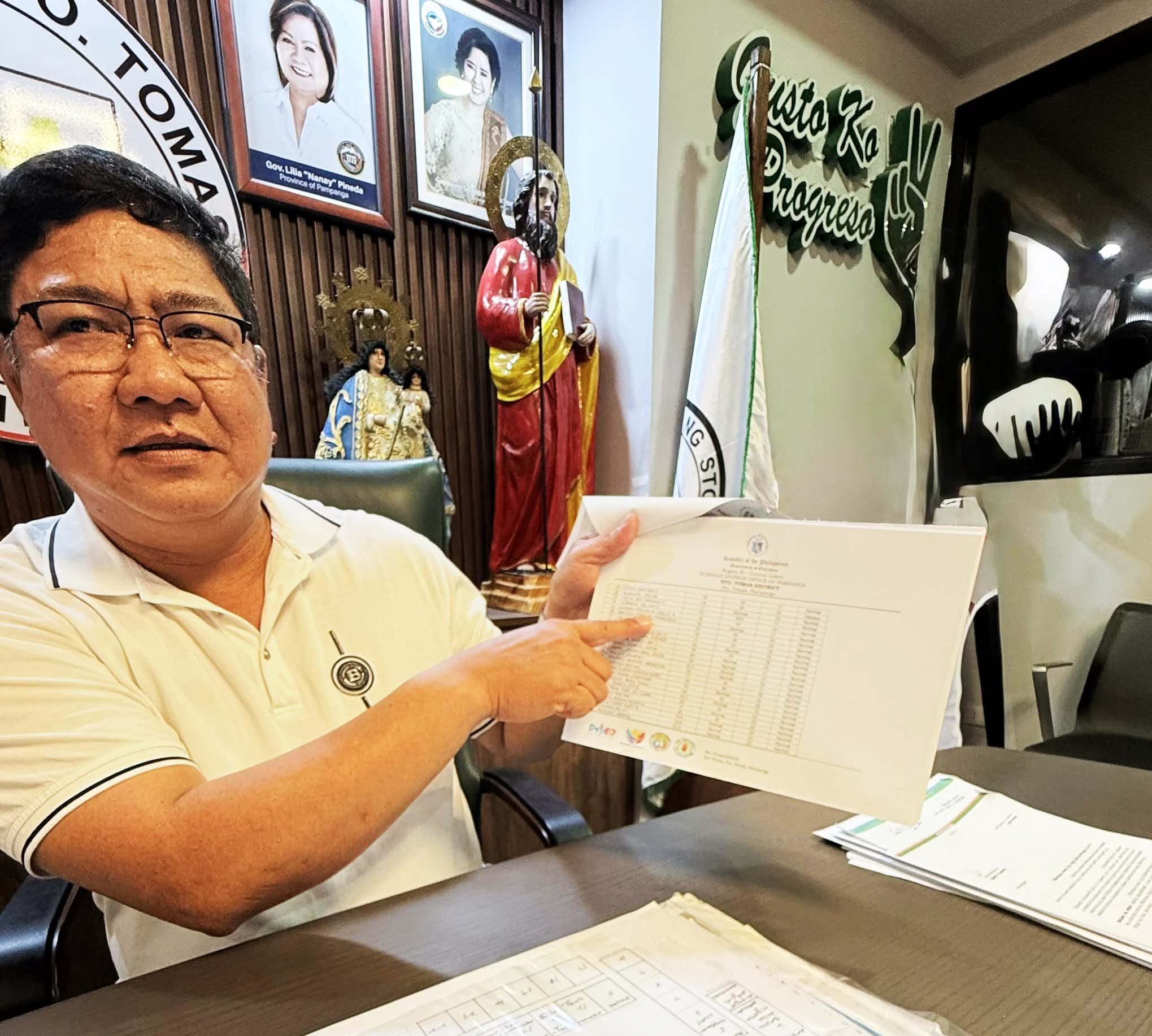
Citing a report from the Department of Education-Sto. Tomas District submitted by Schools Division Superintendent Anna Liza Pineda, Mayor John Sambo said that of the 515 students across nine schools monitored from December 2025 to March 2026, those classified under normal nutritional status increased from 232 to 378; severely wasted cases (acute malnutrition requiring urgent intervention) dropped from 77 to 19; and 146 children improved from undernourished conditions to normal weight status.
Schools that reported significant outcomes included Balangcas Elementary School and Moras Dela Paz Elementary School that achieved full normalization of monitored learners; and San Matias Elementary School which maintained 134 normal students and rehabilitated all 26 previously wasted learners.
School heads speak
“The feeding program has successfully met its primary goal. Pupils are full and many have shown signs of healthy weight gain. The meals are generally satisfying and effective in addressing hunger. Pupils appear more energetic and attentive in class, which suggests positive impact on their well-being,” enthused Nora Musngi, Moras Dela Paz Elementary School head.
Dr. Juanito Rigor, head of San Matias Elementary School, said the initiative strengthened both health and learning outcomes. “Tatay Bong Pineda’s Feeding Program is a meaningful initiative that supports students’ health and learning. It improves focus, attendance, and overall well-being. The effort in implementing the program is highly appreciated and has a positive impact on students.”
Schools that remain priority areas for intervention are San Bartolome Elementary School with 44 learners still classified as wasted or severely wasted; San Vicente Elementary School with reduced severely wasted cases from 20 to 8 but remaining a high-risk area; and Sapa Elementary School improving from 8 to 6 severely wasted cases, showing gradual progress.
Recommending menu improvements, San Vicente Elementary School head Gemma Balingit said: “Frequent serving of the same dishes may reduce appetite and interest. Adding vegetables, soup, and simple menu variations may improve participation and nutritional intake.”
Bernadette Cortez, head of Sto. Tomas Elementary School, recommended regular vegetable inclusion. “Inclusion of vegetables in meals at least twice a week will help support nutrition and healthy eating habits among learners.”
For Janine Bacani, head of Sto. Rosario Integrated School, the program benefits both learners and families. “The feeding program ensures every child receives a healthy meal. When pupils are not hungry, they focus better on lessons. It supports families and helps children grow and learn better.”
Beneficial partnership
“This is a most beneficial partnership. While the municipal government funds deworming, our partners provide the vitamins and the food. Together, we reach more children and change lives faster,” Mayor Sambo said. “As government cannot do it alone, we welcome private civic groups, individuals, and philanthropists like Tatay Bong Pineda.”
Philanthropic works, he noted, should be most welcome to local government units. “We should recognize that these charitable acts are not business in nature. Rather than making it harder, we should be awarding commendations to those who help. Our town should be open to these efforts, not closed off by red tape.”
“This is not just a feeding program. It is a model of partnership. If we continue to support, not restrict, those willing to help, we can ensure that no child in Sto. Tomas goes to school hungry,” he said. Punto News Team