

SCIENCE CITY OF MUÑOZ (PIA) — The Philippine Center for Postharvest Development and Mechanization (PHilMech) continues to help rice farmers cope with rising production costs and economic challenges through its mechanization initiatives.
Through the Rice Competitiveness Enhancement Fund (RCEF) Mechanization Program, farmers benefit from modern facilities that improve efficiency and increase their income.
PHilMech Director Dionisio Alvindia said the Rice Processing System (RPS) under the RCEF Mechanization Program enables farmers’ cooperatives and associations (FCAs) to participate directly in the rice value chain.
“With the complete mechanization interventions we have provided under RCEF—from land preparation to milling and storing our palay—around 1.2 million rice farmers across the country have already experienced its benefits,” Alvindia said.
He emphasized that during times of economic difficulty, low-input and high-output interventions such as the RPS are crucial in safeguarding farmers’ welfare, particularly in addressing the rising costs of fuel and other farm inputs.
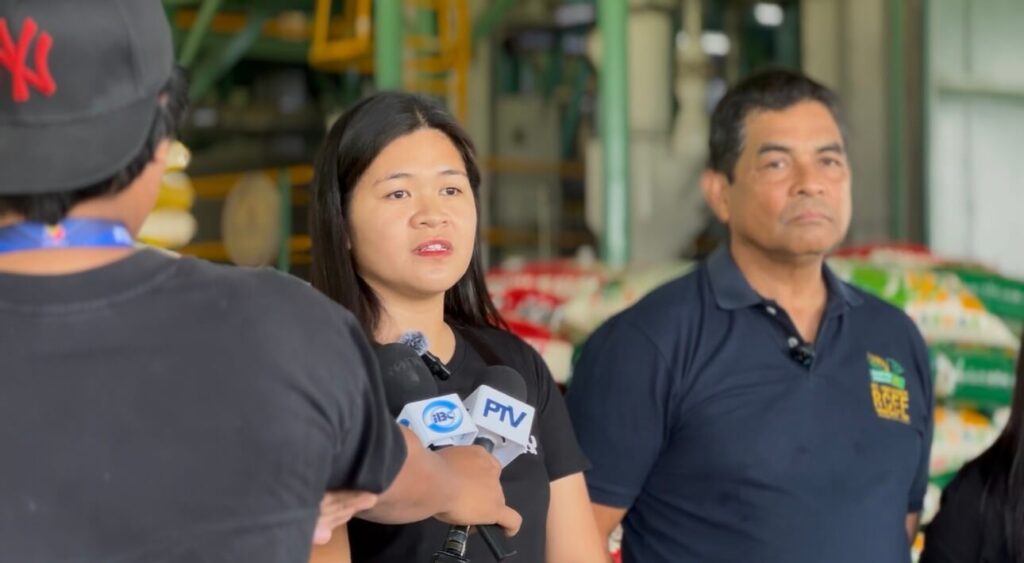
Alvindia noted that the RPS provides about seven percent higher milling recovery, enabling farmers to generate additional income from their harvest.
Each RPS features modern rice mills, dryers, and storage warehouses for both palay and milled rice, ensuring a stable rice supply while managing food costs.
Through the RCEF Mechanization Program 2.0, PHilMech has established a total of 151 RPS across the country, with 132 operational and 19 expected to be completed by the end of the year.
Farmers in Nueva Ecija expressed gratitude for the government’s continued support, stating that the facilities have helped enhance their livelihoods and strengthen their farming communities.
Nora Angeles, general manager of Bantug Agricultural MPC in Talavera, said the mechanization program has helped reduce farming expenses and increase the income of cooperative members.
“The program of President Bongbong Marcos for farmers across the Philippines is truly commendable. It helps address many of our farming expenses because most of the services are free. We experienced a big change when we received an RPS. We can now buy palay at higher prices from our members, process it into rice, and sell it to different parts of the country,” Angeles said.
Marisol Ventura, secretary of Caridad Sur MPC in Llanera, also highlighted how the facility allows their cooperative to earn additional income and reduce the risks associated with trading unmilled rice.
“The RPS helps our cooperative generate additional income, and we are less worried about losses in palay trading because we can now process it into rice ourselves. We thank President Bongbong Marcos and DA-PHilMech for providing programs and projects to our cooperative that benefit not only us but also our fellow farmers and community members,” Ventura said.
Eduardo Domingo, a member of the board of directors of the Cooperative Enterprise for True Economic Reform in Guimba, expressed appreciation for the ongoing assistance extended to farmers.
“We sincerely thank the President for the support provided to farmers like us, and we continue to benefit from these programs,” Domingo said.
Through the RCEF Mechanization Program, PHilMech aims to strengthen the rice industry in the Philippines by enhancing postharvest efficiency, increasing farmers’ incomes, and ensuring a stable supply of affordable rice for Filipino families. (CLJD/CNG, PIA 3-Nueva Ecija)


