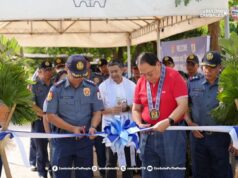
Communities across the country now have improved access to healthcare services following the turnover of 22 rural health units (RHUs) and primary care facilities successfully rehabilitated by BDO Foundation so far in 2026.
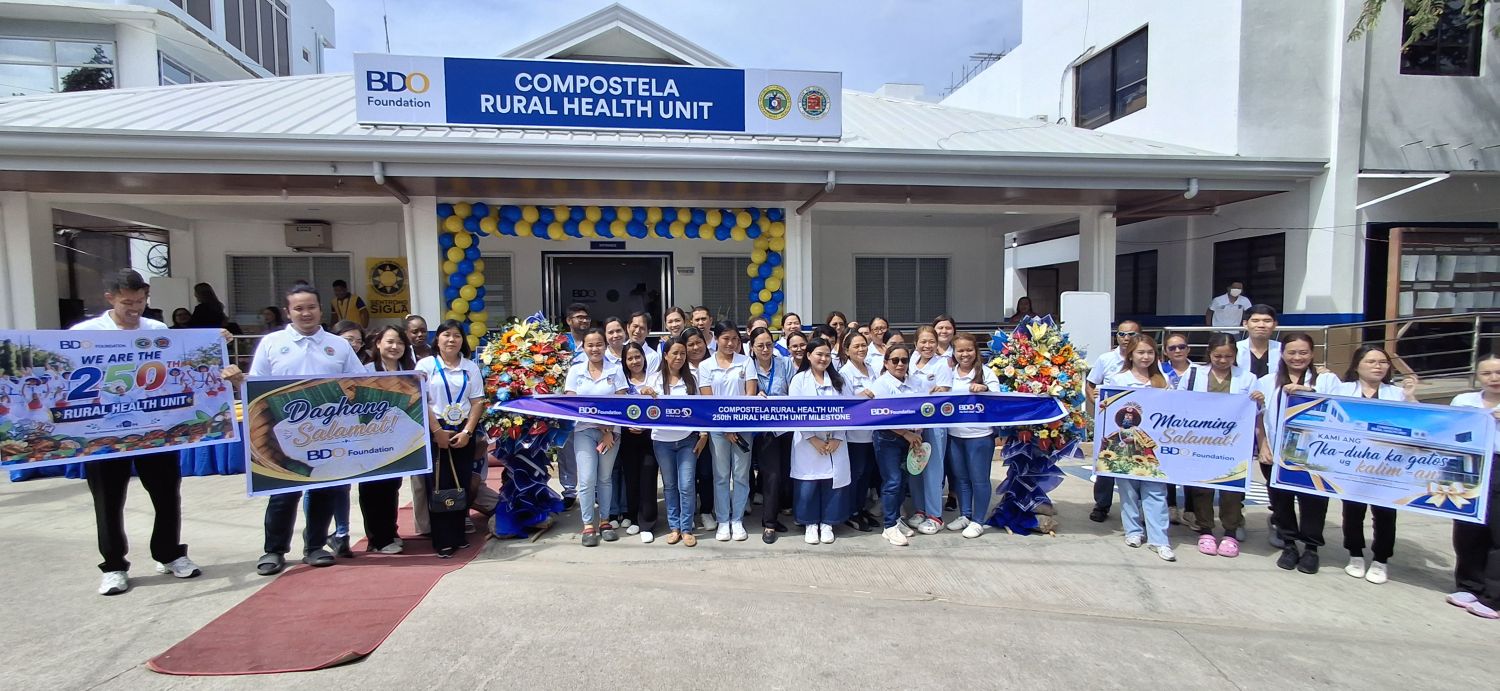
Compostela Rural Health Unit in Cebu, the 22nd RHU, marked the 250th rehabilitated by the foundation under this program since 2012, a significant milestone that coincides with BDO’s 50th anniversary celebration this year.
The 250 health centers, recommended to the foundation by BDO and BDO Network Bank branches in their respective areas, serve more than 11 million Filipinos in areas vulnerable to natural disasters and other challenges that often disrupt the delivery of essential health services.
BDO Foundation has completed the rehabilitation of 22 health facilities so far in 2026, reinforcing its commitment to improving access to quality healthcare services across the country. These facilities include the Daet Rural Health Unit III in Camarines Norte; Sipocot Rural Health Unit, Municipal Health Office of Camaligan, Buhi Rural Health Unit I, Magarao Municipal Health Office, Pamplona Rural Health Unit, and Cabusao Rural Health Unit in Camarines Sur; Asturias Rural Health Unit, Balamban Rural Health Unit II and Birthing Center, Sogod Rural Health Unit, and Compostela Rural Health Unit in Cebu; Guihulngan Primary Care Facility I, Zamboanguita Primary Care Facility, San Jose Primary Care Facility, and Tanjay City Health Unit I in Negros Oriental; Anini-y Polyclinic and Primary Healthcare Facility in Antique; Labason Rural Health Unit in Zamboanga del Norte; Leganes Primary Care Facility and Bingawan Rural Health Unit in Iloilo; El Salvador City Health Office in Misamis Oriental; Banaybanay Rural Health Unit in Davao Oriental; and RHU-Nabunturan Primary Care Facility in Davao de Oro. Through these rehabilitation efforts, BDO Foundation continues to help strengthen local healthcare infrastructure and support the delivery of essential health services to communities nationwide.

For many communities, the rehabilitation of their health facilities comes at a critical time.
According to local health officials, natural disasters in recent years have exposed the vulnerability of aging healthcare infrastructure. In Compostela, Cebu, Typhoon Tino and the earthquake last year disrupted healthcare delivery as damaged roads, landslides, and unsafe facilities made it difficult for residents to access medical services.
In addition, years of wear and tear had left portions of the facility in poor condition. Damaged restrooms, deteriorating ceilings, cracked walls, and unusable wash areas affected both patient experience and the working conditions of healthcare personnel.
RHUs often serve as the first and most accessible point of contact for healthcare, especially for residents with limited financial resources. Health workers continued serving their communities despite damaged infrastructure, interruptions in electricity and water supply, communication challenges, and shortages of medicines and medical supplies.
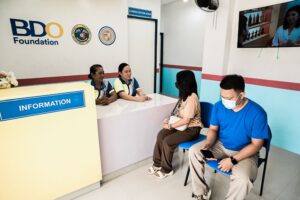
Today, residents are welcomed into safer and more comfortable facilities with improved lighting, upgraded interiors, and enhanced infrastructure that support the delivery of quality healthcare services. The improvements not only create a more dignified environment for patients but also help healthcare workers provide more efficient and compassionate care. Furthermore, the enhanced facilities enable the local government to meet the Department of Health and Philhealth standards, making them qualify to access additional resources for the communities.
Through its RHU rehabilitation program, BDO Foundation contributes to government’s efforts toward universal health care and to Sustainable Development Goal 3, which aims to ensure healthy lives and promote well-being for all at all ages.