
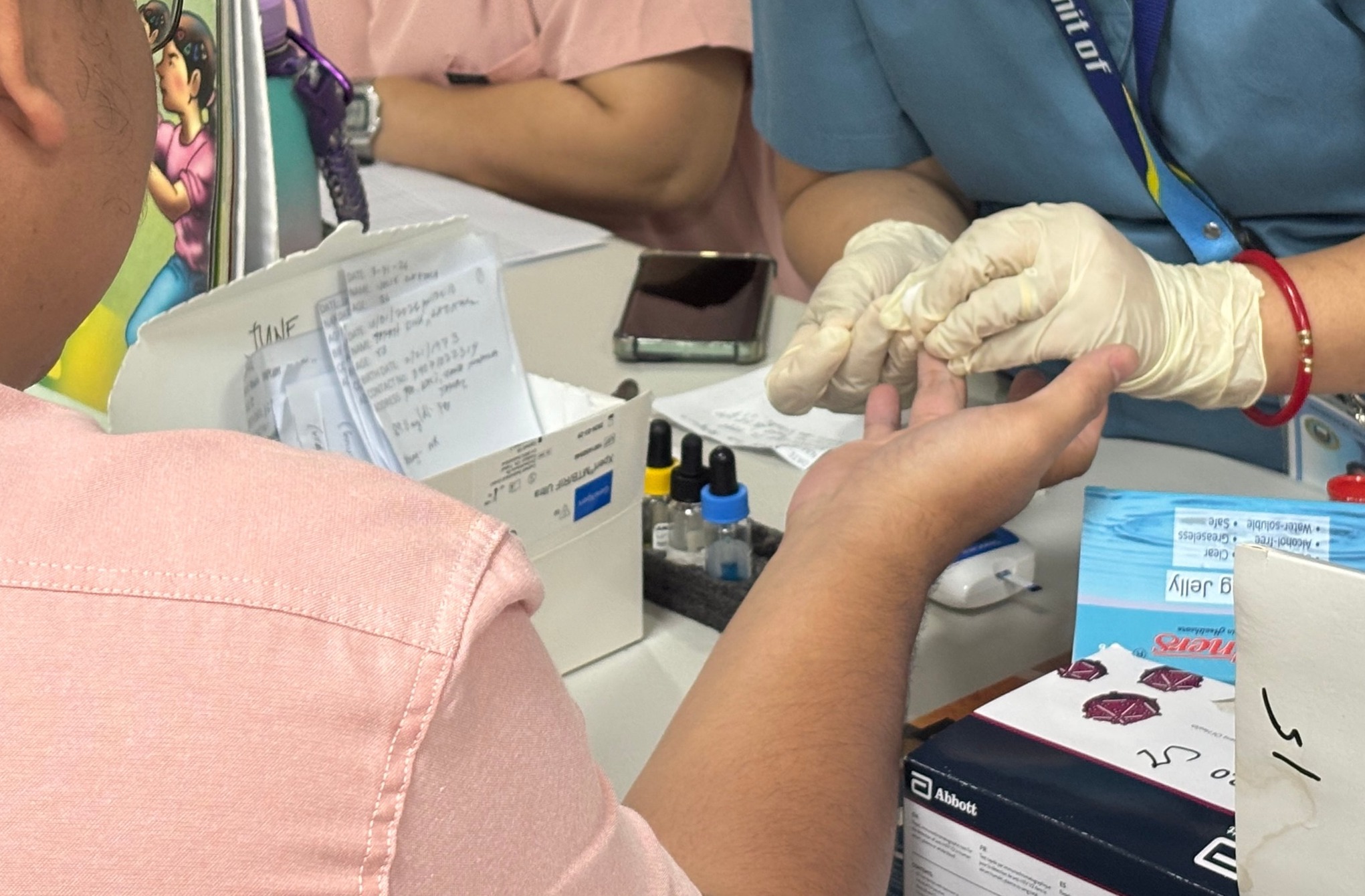
CITY OF SAN FERNANDO, Pampanga (PIA) — The Department of Health (DOH) Central Luzon Center for Health Development (CLCHD) is intensifying cancer prevention, screening, and treatment initiatives amid shifting cancer trends in the region and continuing efforts to strengthen early detection under the Universal Health Care (UHC) program of President Ferdinand R. Marcos Jr.
DOH CLCHD Non-Communicable Diseases Cluster Head Cindy Canlas said that based on 2025 morbidity data from the Field Health Service Information System, health authorities recorded a shift in the most common cancer cases in Central Luzon with malignant neoplasms of the skin emerging among the top reported cases in the region.
These include cancers affecting the skin of the lips, face, eyes, ears, and other exposed body parts.
Also among the leading recorded cases are respiratory or intrathoracic cancers, particularly lung cancer, as well as breast and cervical cancers, which remain within the region’s top 10 cancer cases.

Canlas said the increasing availability of screening services and improved surveillance systems have contributed to earlier detection and reporting of cancer cases.
She emphasized that early screening remains critical in improving patient survival rates and reducing complications.
“When cancer is detected at an early stage, the prognosis and survival rate are significantly higher,” Canlas said during an interview with the Philippine Information Agency.
The DOH CLCHD noted that delayed consultation remains one of the major challenges in cancer management, as fear of diagnosis continues to discourage some individuals from seeking medical screening despite the availability of free services.
Health officials said many patients still seek medical attention only after symptoms have already become severe or physically evident.
To address this, the government has expanded access to free cancer screening and treatment services through public health facilities and designated cancer access sites in Region 3.
Among the identified cancer access sites are Jose B. Lingad Memorial General Hospital in Pampanga, Bataan General Hospital and Medical Center, and the Dr. Paulino J. Garcia Memorial Research and Medical Center in Nueva Ecija, which provide comprehensive cancer services, including diagnostics, chemotherapy, medication therapy, immunotherapy, surveillance procedures, and palliative care.
Available free screening services in public health facilities include mammography, breast ultrasound, Pap smear, visual inspection with acetic acid or VIA, human papillomavirus (HPV) DNA testing, low-dose CT scan for lung cancer, alpha-fetoprotein or AFP blood testing for liver cancer, colonoscopy, and endoscopy.
The DOH also highlighted the importance of primary prevention through vaccination programs, particularly Hepatitis B vaccination for liver cancer prevention and HPV vaccination for cervical cancer prevention.
According to Canlas, these initiatives are part of the government’s continuing implementation of the National Integrated Cancer Control Act and the broader healthcare agenda of the Marcos administration, which prioritizes accessible, preventive, and financially protective healthcare services for Filipinos.
She added that expanded PhilHealth packages and other financial assistance mechanisms now help reduce the economic burden of cancer treatment on patients and their families.
The DOH likewise urged the public to adopt healthier lifestyles, including balanced nutrition, regular physical activity, avoidance of smoking and excessive alcohol consumption, and regular medical checkups, especially for individuals with a family history of cancer.
“Prevention is still better than cure. Early screening and healthy lifestyle practices remain our best defense against cancer,” Canlas said. (CLJD/MJSC, PIA Region 3-Pampanga)