
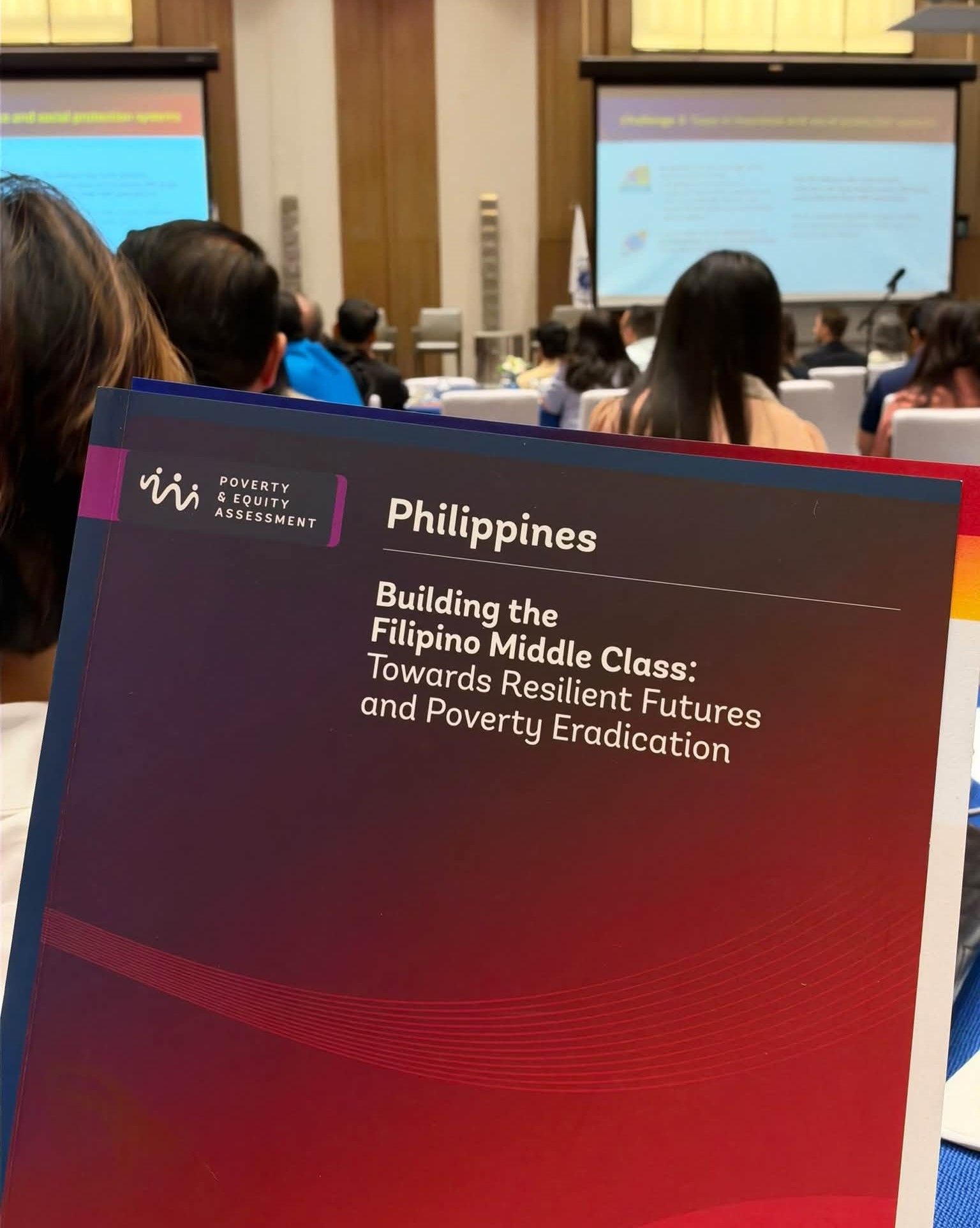
CLARK FREEPORT – The Department of Economy, Planning and Development hosted a regional policy forum and dissemination event for multi-sectoral stakeholders at the Clark Marriott here on Nov. 18.
Anchored on the World Bank flagship report “Building the Filipino Middle Class: Towards Resilient Futures and Poverty Eradication,” the forum is aimed to align local government units, regional agencies, and business stakeholders around the report’s roadmap.
Discussions centered on key challenges including low incomes, limited job opportunities, gaps in social protection, and unequal access to public services.
DEPDev noted that national poverty declined from 23.5% in 2015 to 15.5% in 2023. However, nearly 59% of Filipinos remained below the higher poverty benchmark for upper-middle-income countries in 2023—highlighting the work still needed to build a stronger middle class.
Towards that end, comes the World Bank Three-Pillar Reform Roadmap comprising:
“Better Public Services. Strengthening the capacity of local government units to spend budgets effectively, generate local revenue, and eliminate data silos to improve healthcare, nutrition, and education outcomes;
Better Jobs. Expanding formal employment pathways for lower-skilled workers, increasing loans for micro and small businesses, and universalizing early childhood care so more women can enter and stay in the workforce; and
Greater Resilience. Updating the Pantawid Pamilyang Pilipino Program (4Ps) to cover vulnerable households and index cash transfers to inflation, alongside improving crop insurance and agricultural productivity to keep food prices stable.”
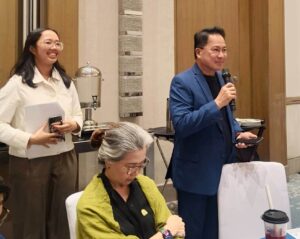
Representing local government units
in the forum were Zambales Gov. Hermogenes Ebdane Jr., Tarlac Gov. Christian Yap, and Pampanga board member John Carlo Cruz who served as panelists.
During the open forum, Pampanga Business Circle senior fellow Rene G. Romero asked whether it was time to introduce a minimum wage subsidy toward a ₱1,500 living-wage target, phased in over 3–5 years, with an 80% government and 20% private-sector sharing arrangement.
DEPDev Region 3 director Nerissa T. Esguerra, also a Regional Wage Board member, said the proposal requires careful study, particularly as many SMEs are already struggling. She emphasized that government interventions should help households without further straining businesses, while cautioning that current computations indicate the proposal could add inflationary pressure.

She also shared that DEPDev is looking at programs involving public transport and food subsidies, alongside agricultural modernization, among other measures to ease living costs.
For its part, PBC believes the proposed wage subsidy could strengthen purchasing power, allowing families to better meet their needs while increasing spending in local businesses. This could help struggling small and medium enterprises sustain sales and employment. With government shouldering most of the proposed subsidy, PBC sees an opportunity to support workers and businesses together, while carefully assessing its effects on inflation. PBC/Punto News Team


