CITY OF SAN FERNANDO — “Environmental protection is not only about enforcement in the field. It is also about ensuring that our cases stand in court, so violators are held accountable and justice is served.”
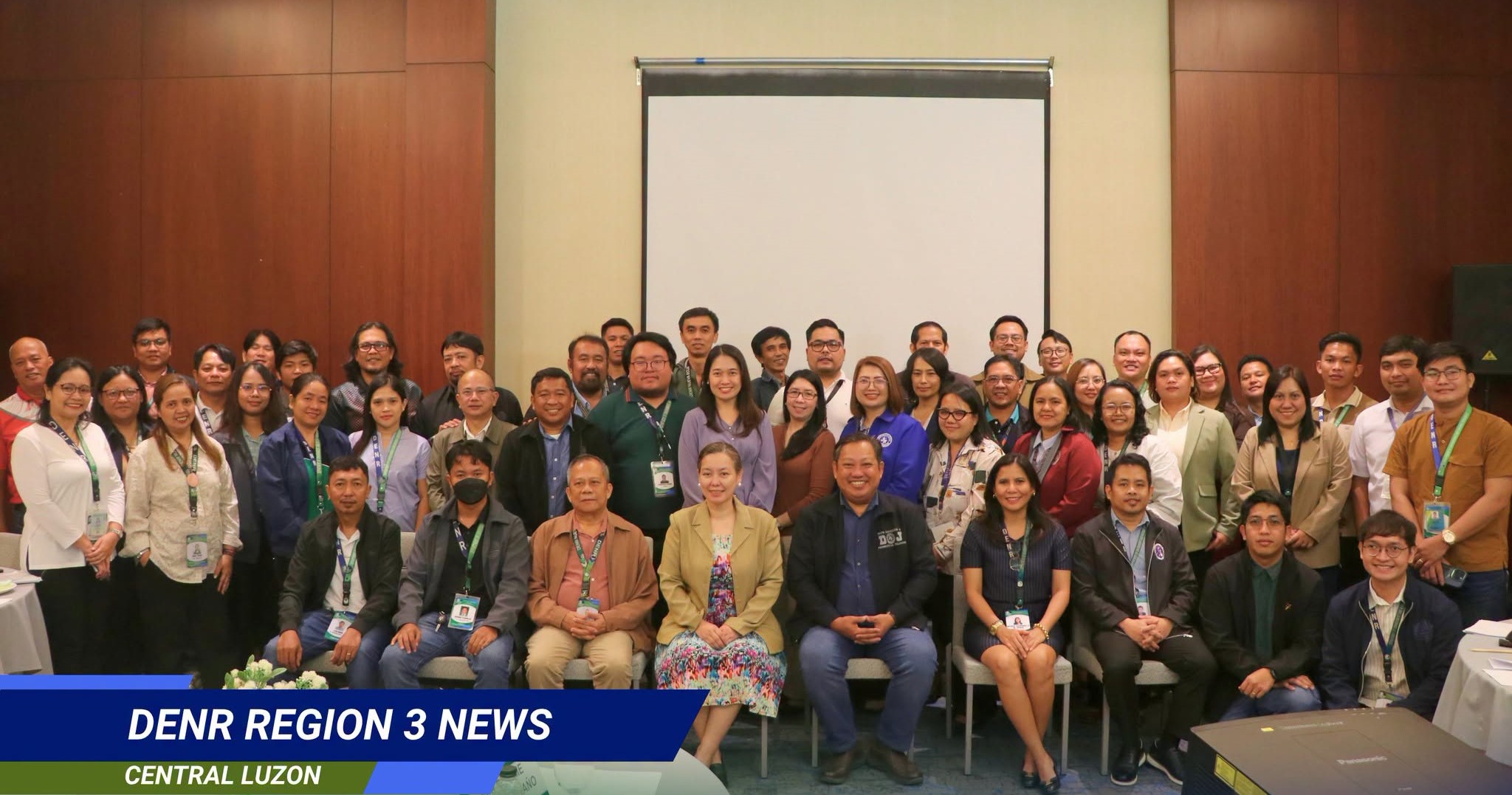
Thus, Department of Environment and Natural Resources Region 3 executive director Ralph Pablo defined the rationale for the two-day workshop the agency conducted in partnership with the Department of Justice to strengthen evidence gathering, case build-up, and prosecution of environmental law violations in Central Luzon.
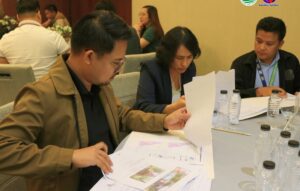
Participants included enforcement personnel, legal experts, prosecutors, and partner agencies to enhance the preparation of legally sufficient case folders and ensure that environmental violations are supported by complete and prosecution-ready evidence.
Atty. Michelle Angelica Go, assistant secretary for inter-agency relations and land matters, presented the Environmental Crimes Prosecution Project, which aims to strengthen coordination between law enforcement agencies and prosecutors and improve the legal soundness of environmental cases.
Go reported that as of June 30, 2026, Region 3 had 645 active environmental crime cases. Of these, 82 had resulted in convictions, 16 had been dismissed, and 246 remained pending before the courts.

Most of the cases involved violations of Presidential Decree No. 705 (Revised Forestry Code of the Philippines), while others involved offenses under RA 9147 (Wildlife Resources Conservation and Protection Act), RA 9175 (Chainsaw Act), and RA 9160 (Anti-Money Laundering Act).
Go emphasized that effective prosecution depends on timely case build-up and technically sound evidence, particularly during the early stages of investigation and documentation.
Participants also reviewed the requirements under DOJ Department Circular Nos. 020 and 020-B to strengthen documentation, improve case preparation, and develop more effective prosecution strategies.
“The environment cannot take the witness stand, the forest cannot execute an affidavit, and wildlife cannot identify its captor. We are their voice. Gather evidence with discipline, build cases with precision, and prosecute with courage and integrity,” said DOJ regional prosecutor Giselle Marie S. Geronimo, underscoring the shared responsibility of DENR, DOJ, and other stakeholders in ensuring that environmental violations are properly documented and prosecuted.

She added that behind every environmental case is something worth protecting—the community and the future of the next generation.
The workshop forms part of continuing efforts to strengthen inter-agency coordination and improve the enforcement of environmental laws through sound investigation, evidence gathering, and prosecution. DENR-3/Punto News Team