

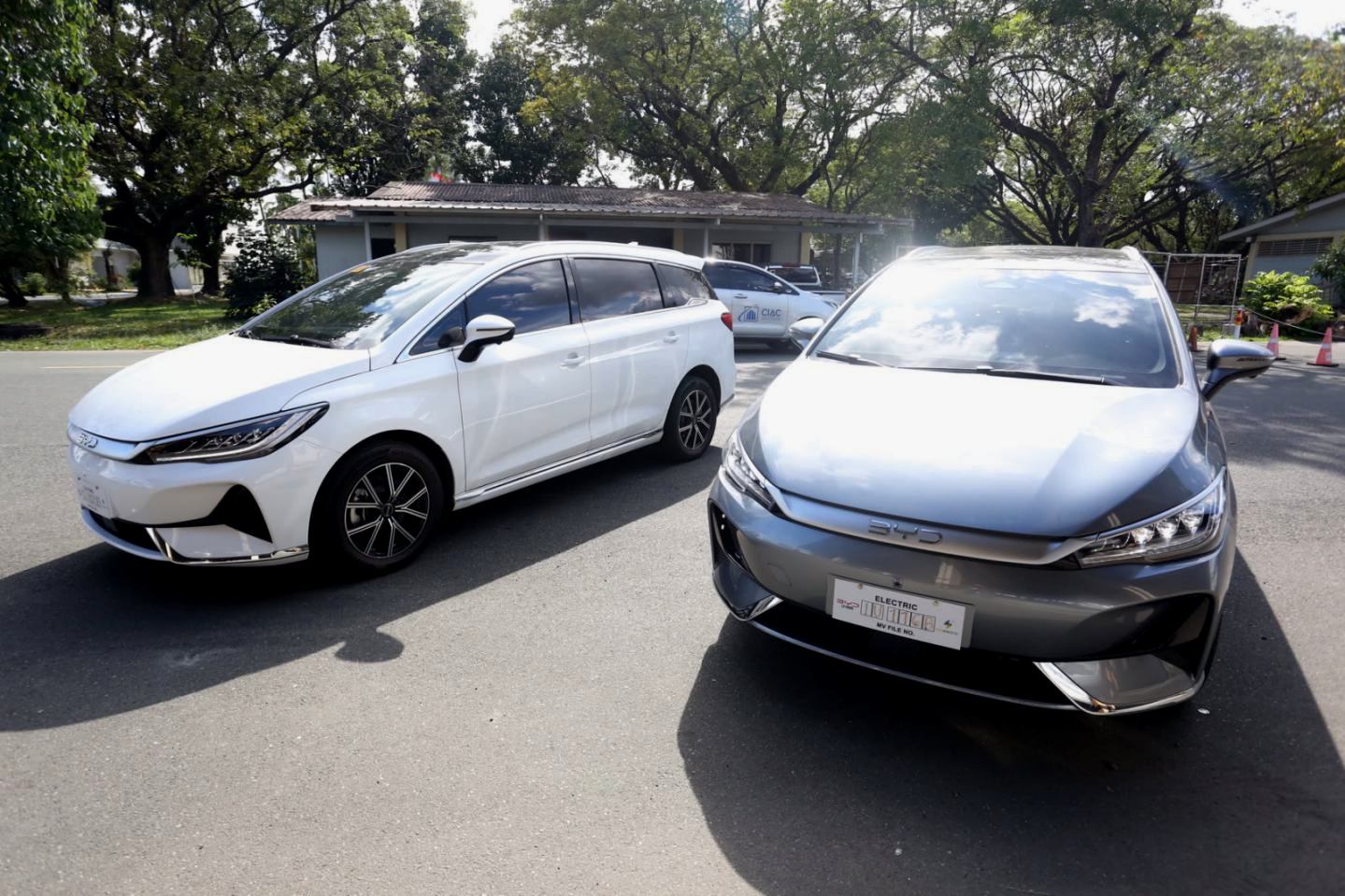
CLARK FREEPORT – A decisive step toward sustainable transport has been taken by the Clark International Airport Corp. with its integration of five electric vehicles into its official fleet in support of RA 11697 (Electric Vehicle Industry Development Act), the first government agency in this freeport to do so.
“CIAC’s acquisition of electric vehicles is our concrete contribution to the EVIDA law and the national drive toward cleaner and more sustainable mobility,” said CIAC president and CEO Jojit Alcazar, referencing to law which mandates the gradual adoption of electric vehicles in government fleets to strengthen the local EV industry, cut fossil fuel dependence, and help decarbonize the transport sector.
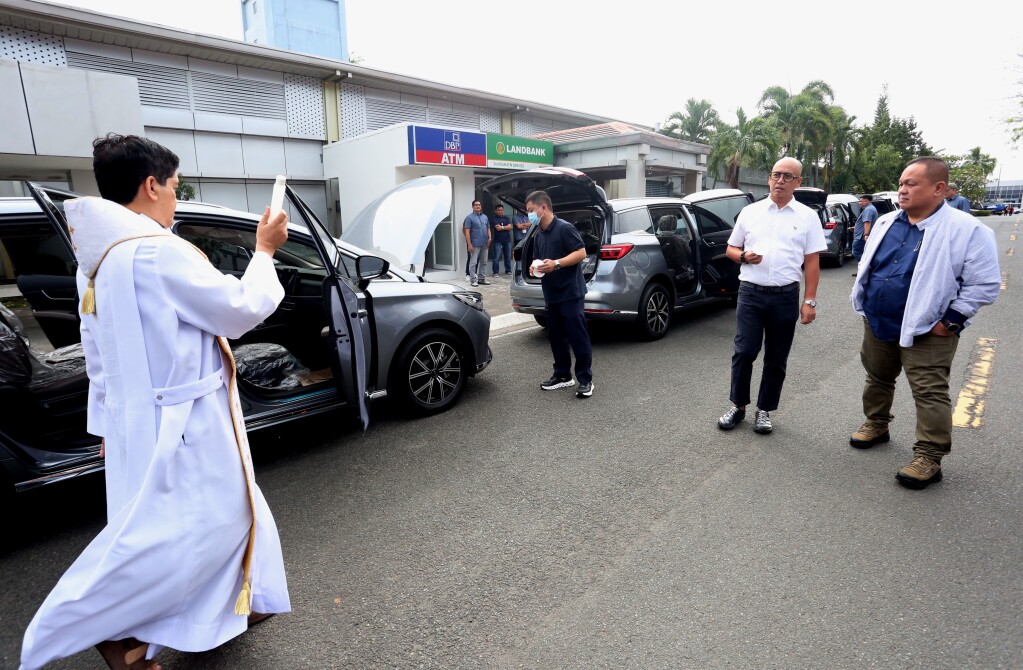
Alcazar added that CIAC has already disposed of several decades-old, unserviceable vehicles and replaced them with EVs as part of its fleet modernization program.
The initiative complements Executive Order No. 62 (s. 2024), issued by President Ferdinand Marcos Jr. on June 20, 2024, which extended and expanded zero import duties on EVs and their components until 2028.
The order covers battery electric vehicles (BEVs), hybrid EVs (HEVs), plug-in hybrid EVs (PHEVs), as well as e-motorcycles, e-bicycles, and e-tricycles, making electric mobility more affordable and accessible nationwide.
The Palace directive, which took effect in July 2024, targets a 10% EV share in government fleets and supports broader national goals of deploying millions of EVs by 2028.
Meanwhile, the Department of Energy continues to fast-track electric mobility through its Comprehensive Roadmap for the Electric Vehicle Industry, which aims for a 50% EV fleet share by 2040.
Under the roadmap, the country targets 2.45 million EVs, including cars, motorcycles, tricycles, buses, and public utility vehicles, by 2028.
Alcazar emphasized that CIAC’s transition to electric vehicles reflects a global shift toward green technologies and climate-resilient development.
“We have integrated EVs into our corporate operations to promote innovation in clean, sustainable, and energy-efficient solutions while reducing greenhouse gas emissions,” he said.
He added the move also strengthens the country’s energy security by lowering dependence on imported fuel for the transport sector. CIAC-CCO