
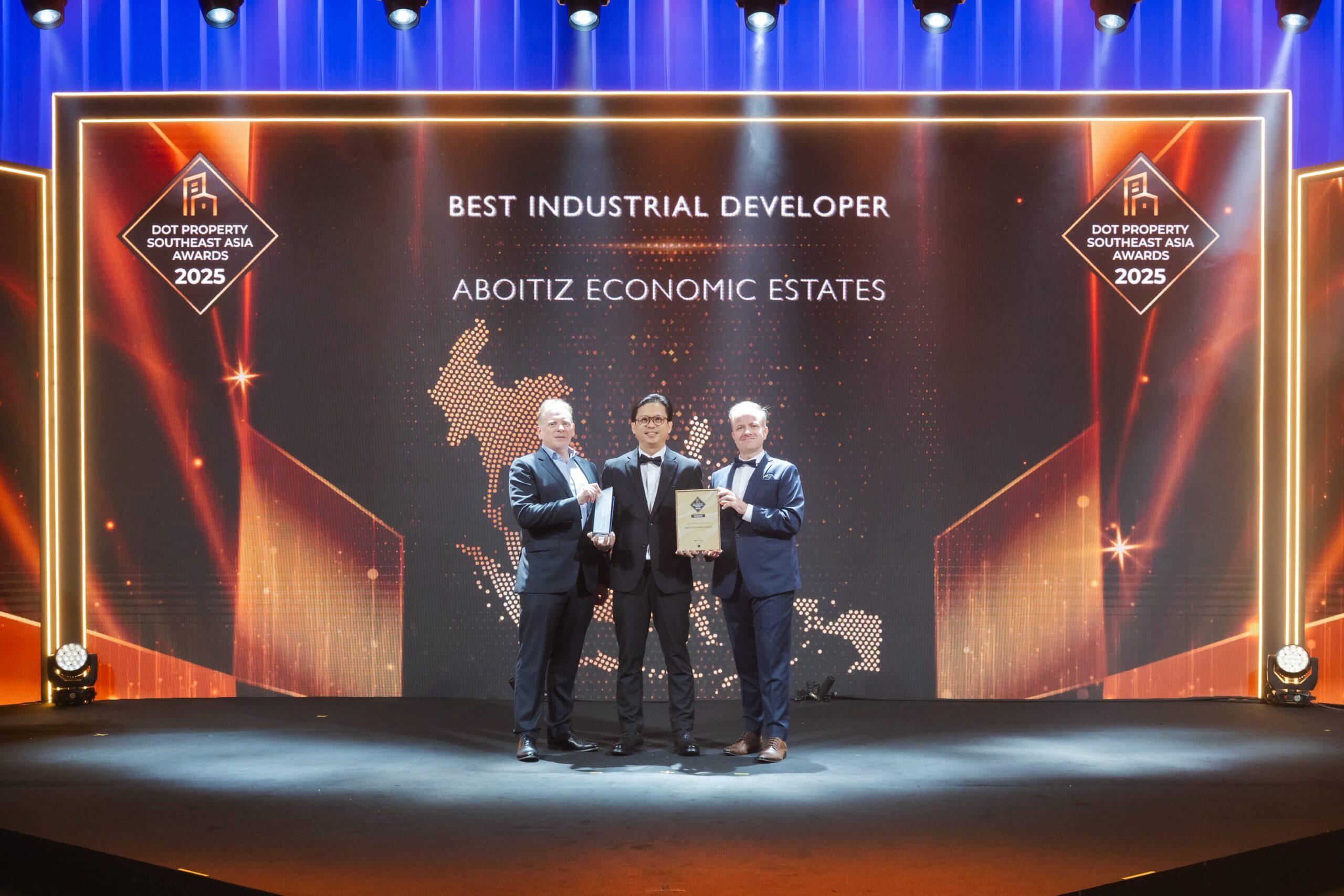
Bangkok, Thailand — Aboitiz Economic Estates continues to set the benchmark for industrial development in Southeast Asia, earning the title of Best Industrial Developer at the 2025 Dot Property Southeast Asia Awards. This distinction is further reinforced by TARI Estate’s recognition as Southeast Asia’s Best Industrial Development, highlighting the company’s role as a pioneer in building large-scale, industry-anchored estates that catalyze investment, job creation, and inclusive regional growth.
Together, these recognitions mark a defining milestone in Aboitiz Economic Estates’ expanding regional footprint and reflect the growing influence of Philippine-led developments in leading Southeast Asia’s industrial future. Beyond accolades, the awards affirm the company’s long-term commitment to future-ready estate development—creating platforms where industries scale with confidence, regions unlock new economic engines, and local communities grow alongside global investment.
“This recognition affirms our leadership in developing industrial estates that support long-term regional development,” said Rafael Fernandez de Mesa, President and CEO of Aboitiz Economic Estates and Aboitiz Land. “Our goal is to build environments where industries can scale sustainably and where investment translates into meaningful economic opportunities.”

Located in Tarlac City, TARI Estate is a 384-hectare PEZA-registered economic zone positioned to strengthen Central Luzon’s manufacturing landscape. The estate is projected to generate over 60,000 jobs and is emerging as a key hub for food and beverage manufacturing in the region. Nearly 75% of its initial industrial phase has already been taken up, reflecting strong market interest.
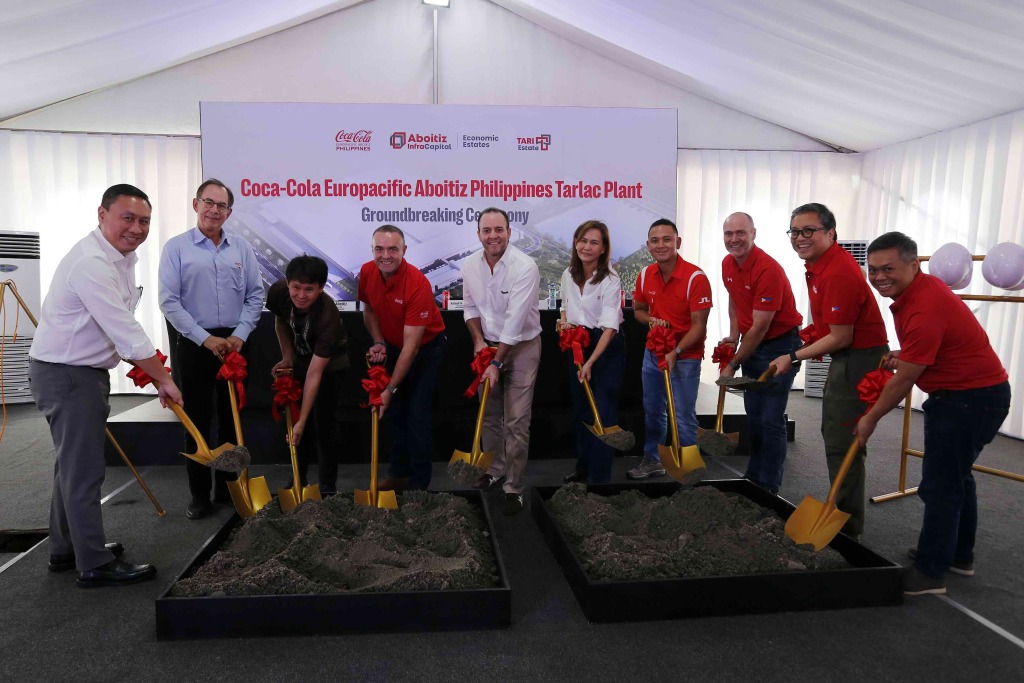
TARI Estate has attracted significant investments from global and local manufacturers, including Coca-Cola Europacific Aboitiz Philippines, which is developing a state-of-the-art 42-hectare manufacturing facility, and Ajinomoto Philippines Corporation, which has committed ₱9.1 billion to a modern food production plant. The estate has also been recognized twice at the national level by the Dot Property Awards as Best Industrial Development in the Philippines.
These recognitions highlight Aboitiz Economic Estates’ broader impact across the country. The company now hosts 260 locators, supports over 100,000 jobs, and continues to attract significant domestic and foreign investment. Its Economic Estates are designed as integrated, future-ready platforms where industries operate efficiently, commerce expands, and local economies benefit.
“This is a meaningful milestone for Philippine industrial estates,” Fernandez de Mesa added. “It demonstrates how thoughtfully designed industry-anchored developments can attract global investment, catalyze regional growth, and deliver measurable economic and social impact. We hope this encourages the industry to continue raising standards as we work together to strengthen the nation’s industrial landscape.”
With these recognitions, Aboitiz Economic Estates reinforces its role as a benchmark for high-impact, industry-anchored development, supporting sustainable growth and contributing to the Philippines’ long-term industrial competitiveness.