

MACABEBE, Pampanga – The value of geographical and historical research in understanding Pampanga’s changing landscape and the origins of its place names finds weighty expression in “The Toponymy, History, and the Sinking of Macabebe.”
Authored by Macabebe native Dr. Ian Christopher B. Alfonso, Ph.D., assistant professor at the UP Department of History and board member of the Philippine Historical Association and a member of the UNESCO Memory of the World Program in the Philippines, the book is all what its title holds: an exploration of the origin and meanings of 697 place names, an examination of the rich historical heritage of the town from its pre-colonial roots, to the Spanish colonial conflicts, and its complex relationship with the Philippine Revolution that has long been a source of controversy, and the integration of historical analysis with scientific studies to address the town’s perennial inundation.
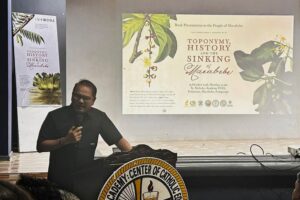

Held at the St. Nicholas Academy here on Oct. 19, the book presentation featured reviews by UP Diliman archaeologist Dr. Lee Anthony Neri, Dr. Kevin Gara of the Mines and Geosciences Bureau, UP Diliman anthropologist Dr. Nestor Castro, and Kapampangan poeta laureado Francisco Guintu, who presented his review in the form of a poem.
Also lending prestige to the event were award-winning broadcast journalist and documentary filmmaker Howie Severino, history professor Dr. Xiao Chua, Macabebe Vice Mayor Vince Flores, and National Scientist Dr. Lourdes J. Cruz.
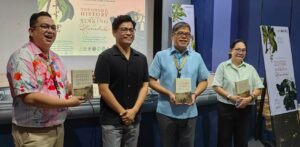

The presentation was organized in collaboration with the National Commission for Culture and the Arts, the Municipal Government of Macabebe, the Holy Angel University – Center for Kapampangan Studies, the Philippine Historical Association, and the Philippine Toponymy Society, reaffirming their shared commitment to documenting and preserving Pampanga’s rich history and cultural heritage. CKS FB page/Punto Lifestyle Team