

CITY OF SAN FERNANDO, Pampanga (PIA) — The Department of Education (DepEd) has expanded the Alternative Learning System (ALS) towards more flexible and credible education pathways for out-of-school children, youth, and adults, aligning the program with the K to 12 curriculum and skills needed for work and daily life.
DepEd Secretary Sonny Angara stressed the human impact of the reforms through the story of 81-year-old Eduardo Saplala, an Aeta learner from Porac town in Pampanga, who is currently enrolled in the ALS Basic Literacy Program.
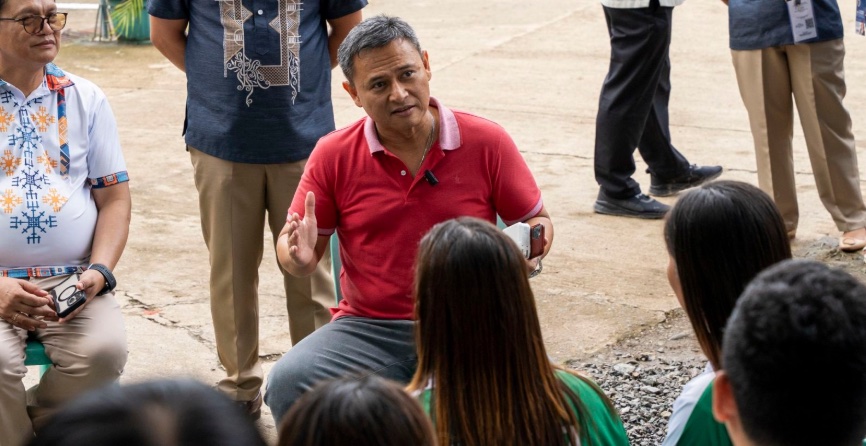
His return to learning was made possible through institutionalized approaches under the revised ALS guidelines including community-based instruction, flexible pacing, and competency-based assessment.
“Patunay si Mang Eduardo na walang edad ang edukasyon. Sa Alternative Learning System, may ikalawang pagkakataon ang bawat Pilipino. Pinapalakas natin ang ALS para maging tunay na alternatibo—hindi pansamantala, hindi panghuli, kundi isang lehitimong landas ng edukasyon. (Eduardo proves that education has no age. With the Alternative Learning System, every Filipino has a second chance. We are strengthening ALS as a legitimate education pathway and not merely a temporary or last-resort option),” Angara said.
The secretary noted that the expansion supports President Ferdinand R. Marcos Jr. ‘s thrust for inclusive growth by ensuring education opportunities reach learners previously left behind.
Under DepEd Order No. 1, s. 2026, the agency standardized ALS implementation nationwide and aligned its competencies with the K to 12 curriculum, while formally recognizing flexible learning options, prior learning, and micro-certifications.
The revised policy allows learners to progress based on what they can demonstrate and master, rather than their age or length of enrollment, giving them the flexibility to start, pause, or resume studies based on their circumstances.
It also clearly defines ALS pathways, covering Basic Literacy, Accreditation and Equivalency at the elementary and junior high school levels, and senior high school, allowing completers to return to formal schooling, pursue technical-vocational training, or directly enter employment.
The enhanced ALS framework strengthens partnerships with local governments, higher education institutions, non-government organizations, and private groups to operate community learning centers and expand access to learning resources and specialized instruction.
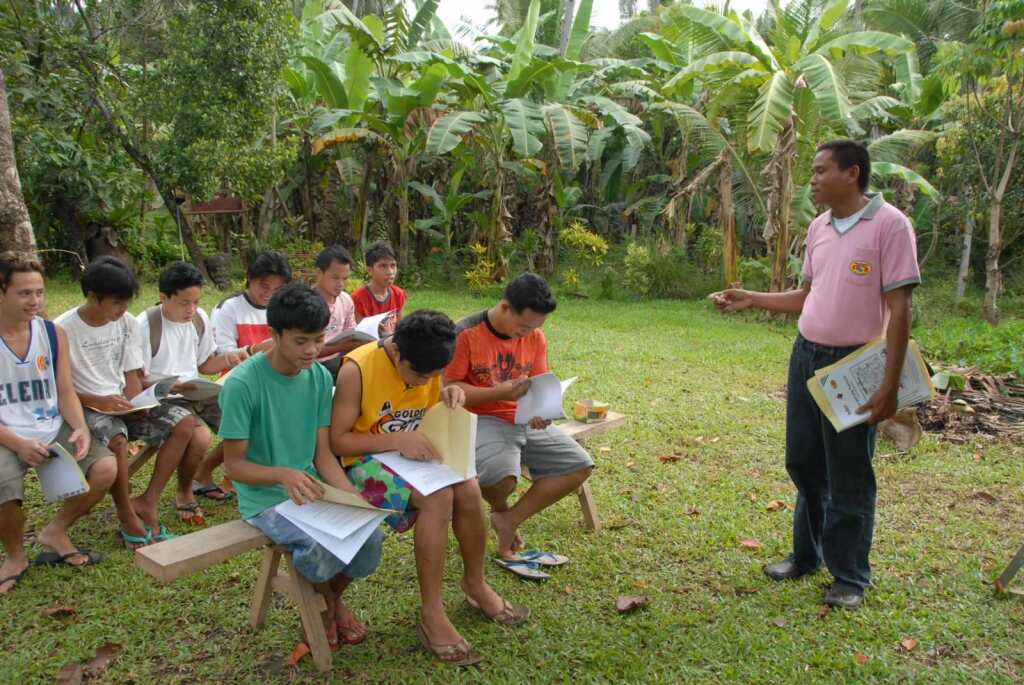
DepEd also institutionalized capacity-building programs for ALS teachers and implementers, alongside improved monitoring and evaluation systems to track learner completion and transition outcomes nationwide.
Beginning school year 2026–2027, all schools division offices are directed to fully implement the revised ALS curriculum for Basic Literacy and Accreditation and Equivalency programs, with separate guidelines to be issued for the strengthened ALS senior high school track.
For DepEd, learner stories like Mang Eduardo’s reflect the intended impact of an enhanced ALS which is designed to deliver accessible, flexible, and quality education opportunities for Filipinos at any stage of life. (CLJD/MJSC, PIA Region 3-Pampanga)